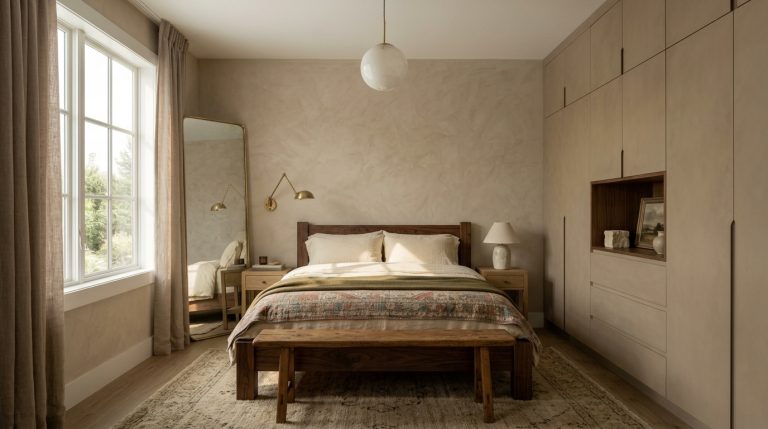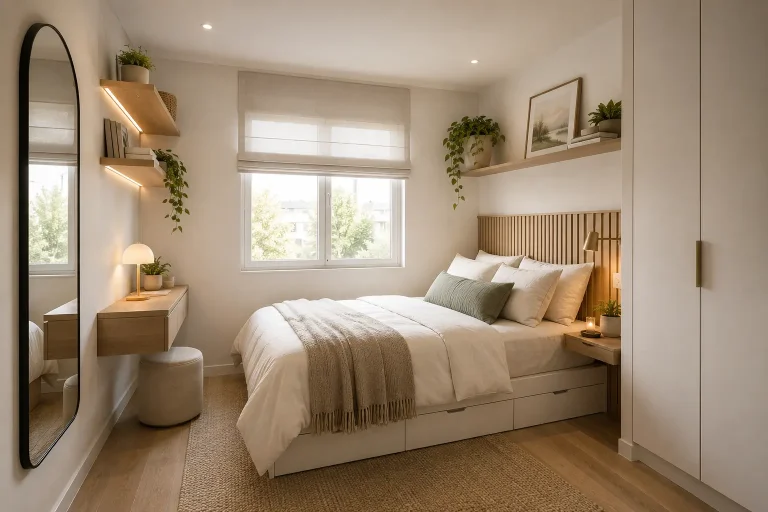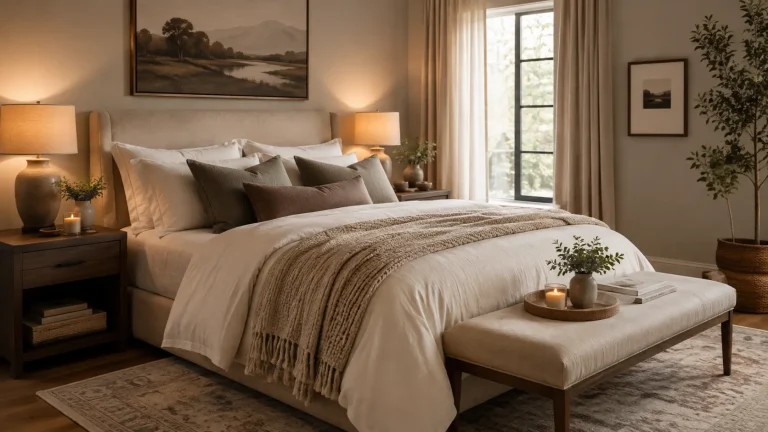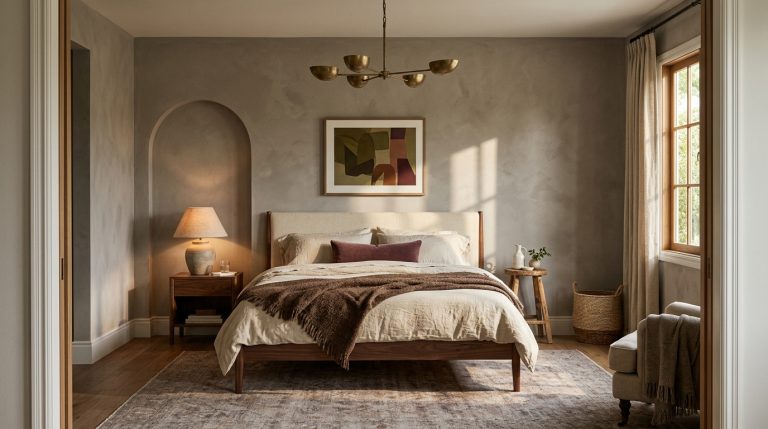
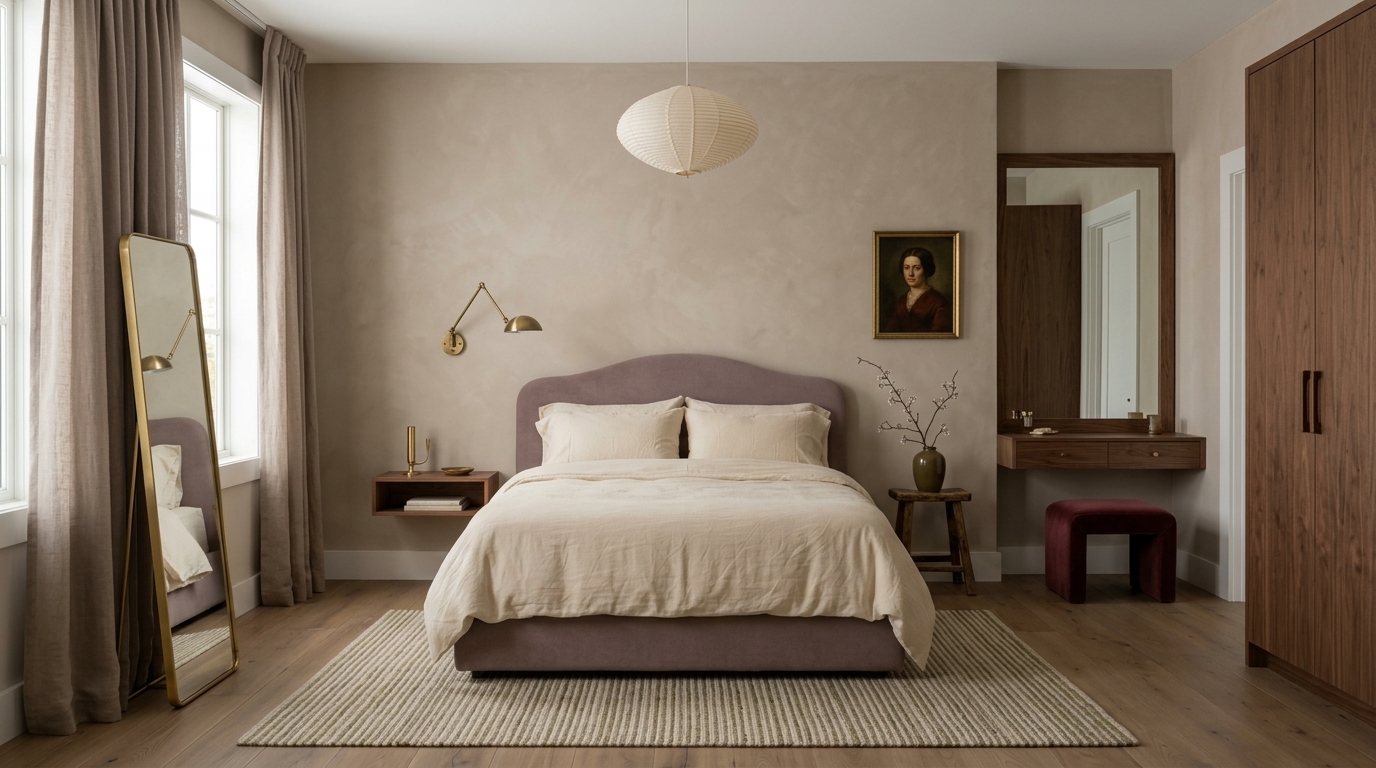
10 small bedroom ideas for women That Feel Personal and Spacious
A small bedroom becomes frustrating when every useful thing seems to need its own piece of furniture. The bed takes most of the floor. A dresser blocks circulation. There is nowhere comfortable to get ready, read, work, store shoes, or keep everyday essentials without the room looking crowded.
The best 10 small bedroom ideas for women solve those practical problems before worrying about decorative themes. In 2026, bedroom design is moving toward spaces with more personality, richer color, smarter built-ins, tactile materials, and furniture that performs more than one job. Designers are also moving away from blank, overly coordinated bedrooms toward rooms that feel genuinely personal.
And there is no required “feminine” palette. Your bedroom can be dusty pink, olive, chocolate, powder blue, burgundy, cream, or almost any combination that helps you feel at home.
Start with the bed, not the decor
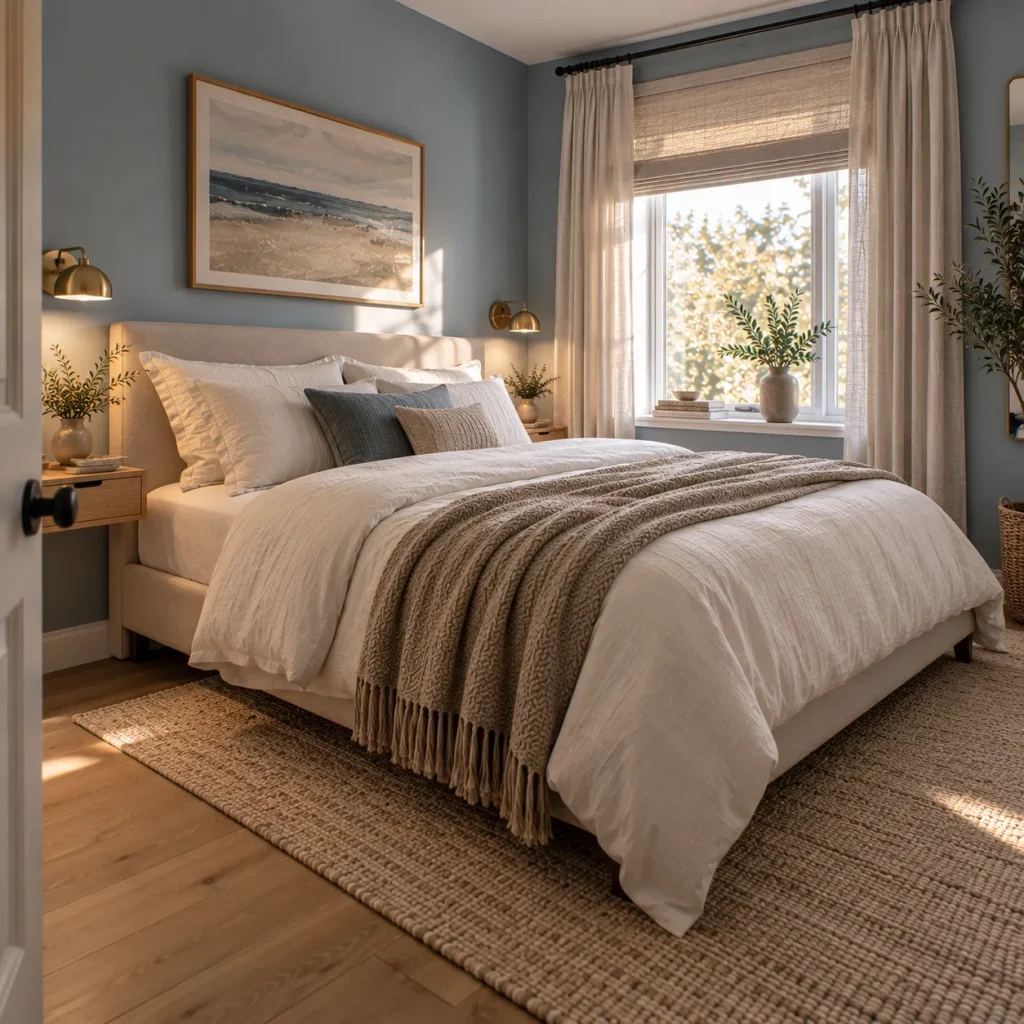
Idea 1: Choose the smartest bed size for the room, not the smallest
A small bedroom does not automatically need the smallest possible bed. It needs a bed that leaves enough room for the way you actually move.
Before buying furniture, mark the mattress and frame footprint on the floor with painter’s tape. Where possible, aim for roughly 24 to 30 inches of useful passage beside frequently used areas. Tighter clearances may be unavoidable in genuinely compact rooms.
Architectural Digest’s 2026 small-bedroom guidance emphasizes editing the furniture layout and minimizing unnecessary pieces rather than filling a small room with scaled-down furniture.
If a queen bed fits but leaves no room for two substantial nightstands, keep the queen and rethink the nightstands. Two narrow wall-mounted shelves may be more useful than downsizing the bed you sleep in every night. For more layout tricks, see our small bedroom ideas for a bigger feel.
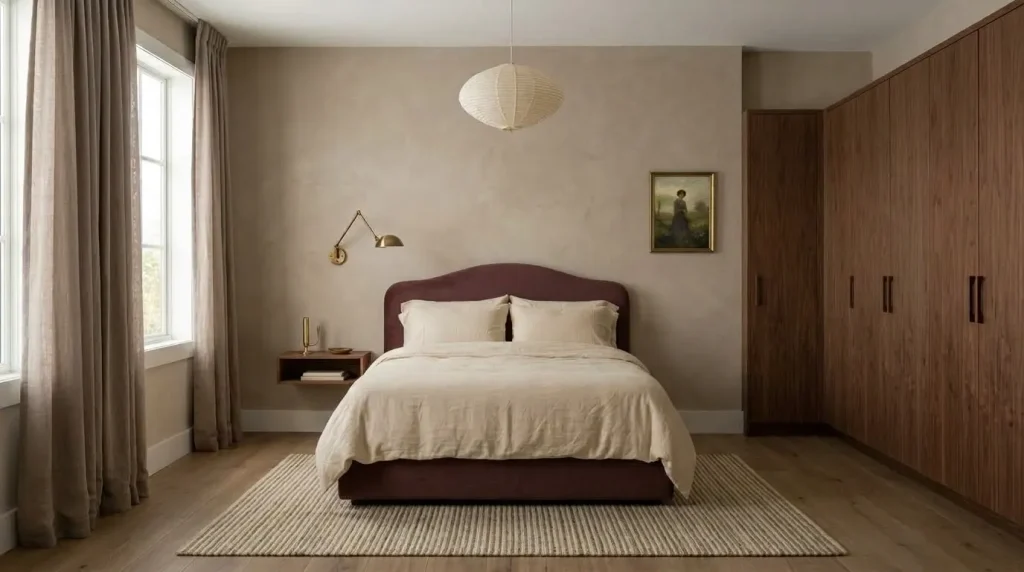
Idea 2: Stop assuming every wall needs furniture
An empty strip of wall is not wasted space.
Small rooms often become cramped because the owner tries to fit a bed, dresser, desk, vanity, chair, bookcase, and more into one footprint. Pick one wall to leave intentionally open, and let the other functions share space more cleverly. If your clothes already live in a good wardrobe, perhaps you do not need a large dresser. If you work elsewhere, skip the desk and create a proper vanity instead.
One well-planned open area can make the whole bedroom easier to use.
Make the bed earn its floor space
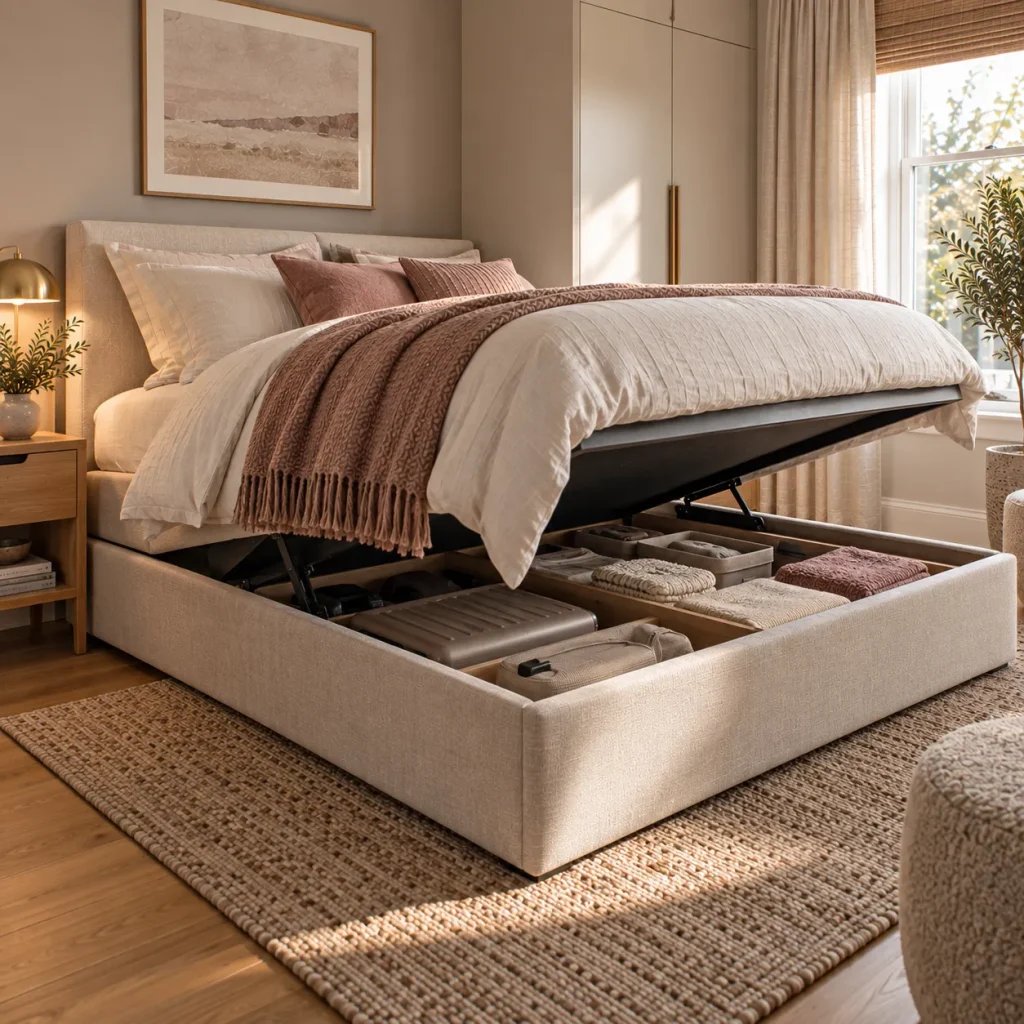
Idea 3: Use storage beneath the bed properly
The bed occupies the largest footprint, so it should help with storage.
A lift-up storage bed is useful for bulky bedding, luggage, seasonal clothing, and less frequently used items. Drawers work well when you have enough clearance to open them comfortably.
If you already own a standard bed, matching low storage boxes can handle shoes, knitwear, or spare linens.
Architectural Digest’s current small-bedroom storage advice emphasizes using otherwise wasted areas and choosing double-duty furniture rather than adding more standalone storage.
Avoid stuffing loose items underneath. Contained storage is much easier to maintain and visually calmer.
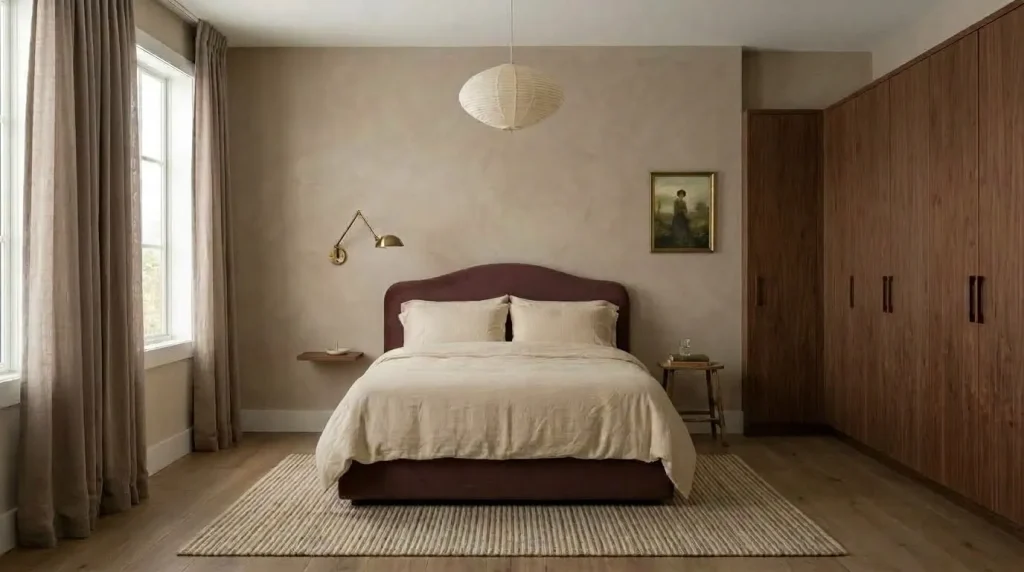
Idea 4: Replace bulky nightstands with lighter alternatives
Consider a slim pedestal, small vintage stool, narrow table, or a tiny floating shelf with a wall sconce above it.
A surface around 12 to 16 inches wide may be enough for a phone, water, book, and small object if your storage needs are handled elsewhere.
And matching nightstands are not compulsory. One side might need drawers while the other only needs a shelf.
That slightly asymmetrical approach fits well with the wider 2026 move away from rigid bedroom furniture sets and toward more collected rooms.
Create a color palette that reflects you
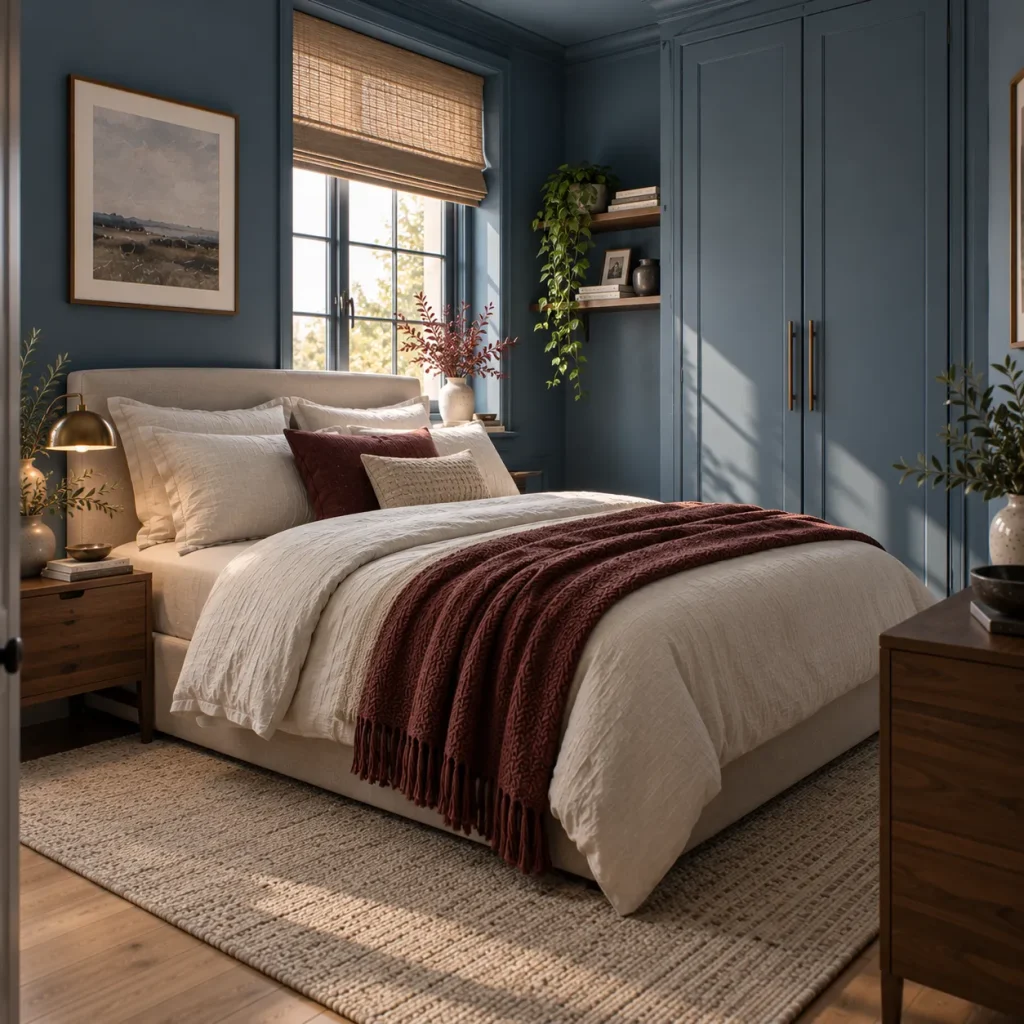
Idea 5: Use color instead of defaulting to white
Everyone says tiny bedrooms need white walls. They do not.
A continuous color can actually reduce visual breaks and make a small room feel more intentional. Homes & Gardens identifies color drenching as one of the notable 2026 approaches for compact rooms.
For a softer room, consider powder blue, earthy mauve, warm mushroom, dusty rose, or gray-green. For something moodier, try burgundy, smoky blue, charcoal, delicate pink, or nuanced neutrals. If you prefer a softer, layered look throughout, our neutral bedroom ideas offer more direction.
Sample paint beside the flooring and bedding before committing. A dusty pink can turn surprisingly peach under warm bulbs, while blue may become cooler in weak northern daylight.
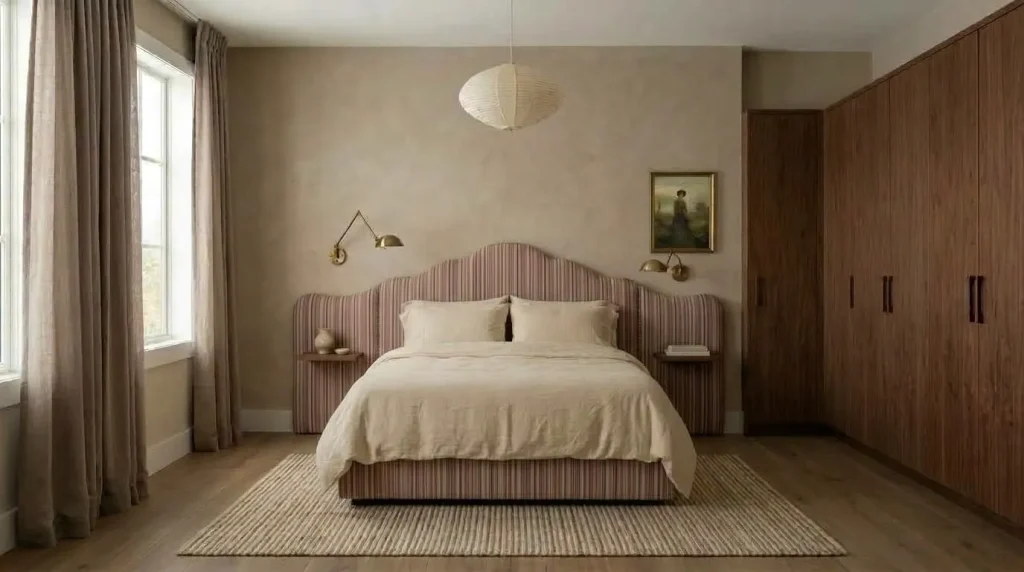
Idea 6: Let the headboard provide pattern or personality
If floor space is tight, use the vertical surface behind the bed.
A patterned upholstered headboard, scalloped shape, striped textile, or taller fabric panel gives the bedroom character without requiring another decorative object.
Statement headboards are one of the strongest bedroom furniture directions for 2026, with designers using them to bring color, pattern, and a more cocooning feeling to sleeping spaces.
Keep scale in proportion to the wall. A very narrow headboard can make a double or queen bed feel visually squeezed.
You can also create a fabric-covered panel that extends slightly beyond the mattress rather than buying a bulky frame.
Build a vanity without adding a room
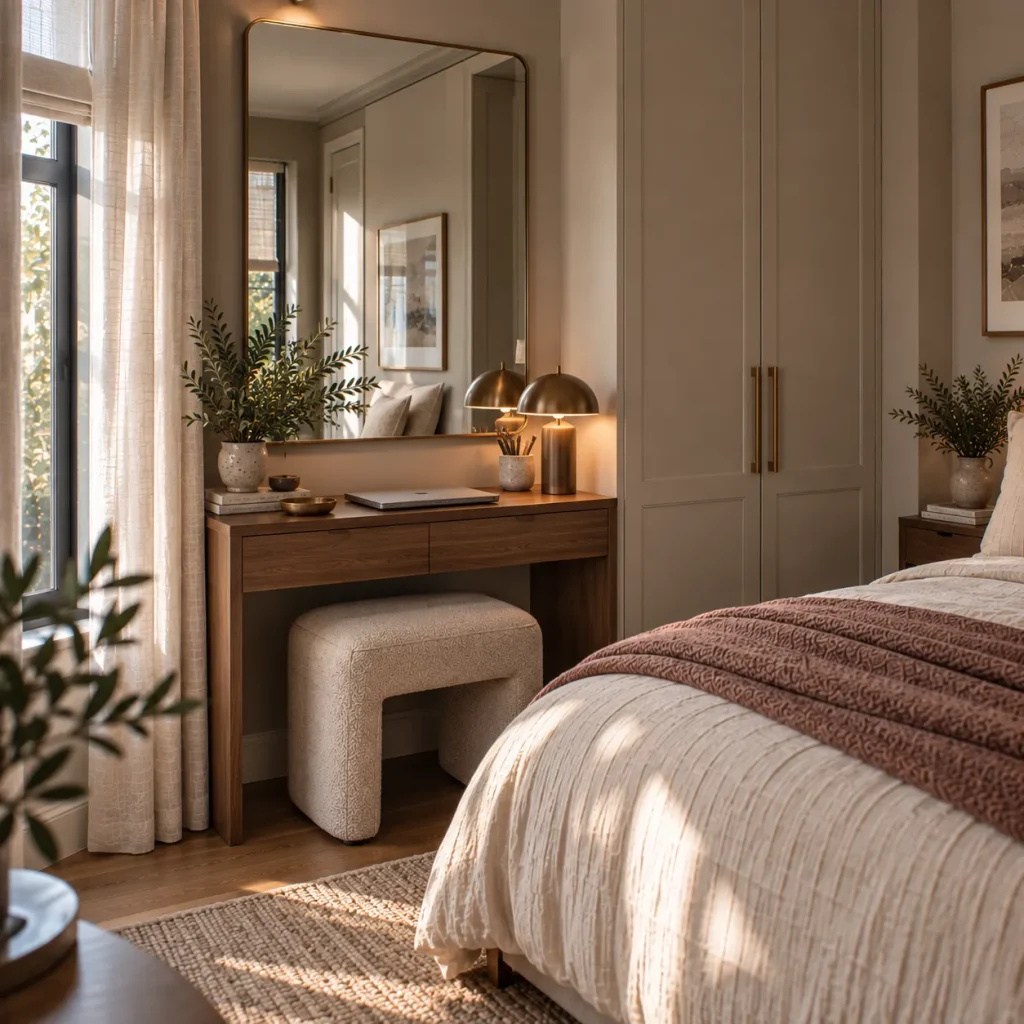
Idea 7: Create a multipurpose vanity surface
A dedicated dressing table is useful for many women, but a separate vanity can be difficult to justify in a small bedroom.
Instead, give one compact surface several jobs.
A shallow desk around 16 to 20 inches deep can hold a mirror, makeup organizer, laptop, jewelry dish, and small lamp. Choose drawers if you need to hide daily products.
Place it near natural light if possible, but avoid positioning the mirror where direct sunlight causes glare.
A wall-mounted mirror saves desktop space. A small stool can tuck completely underneath when not in use.
If you work from the bedroom regularly, keep the surface visually calmer. Store cosmetics in drawers so the desk does not feel like two rooms fighting for the same square foot.
Use vertical space for storage and display
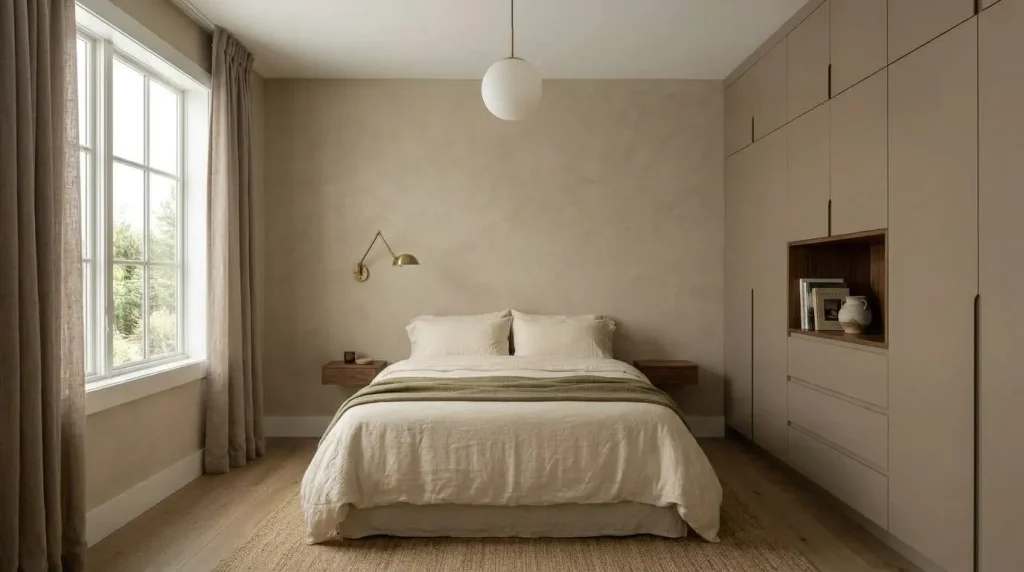
Idea 8: Build storage upward rather than outward
In a small room, height is valuable.
Use tall wardrobes, shelves above a dresser, wall-mounted cabinets, or a narrow floor-to-ceiling bookcase rather than several low storage pieces.
Built-in or custom joinery that reaches the ceiling can follow the standard bedroom dimensions and create a cleaner visual envelope.
If custom joinery is outside the budget, take a ready-made wardrobe as high as practical and use matching storage boxes on top.
The upper area is ideal for luggage, occasion wear, and seasonal items.
Do not fill every vertical surface, though. One wall of concentrated storage often looks calmer than shallow storage scattered around four walls, an approach also covered in our minimalist bedroom ideas.
Give yourself better light and a stronger sense of space
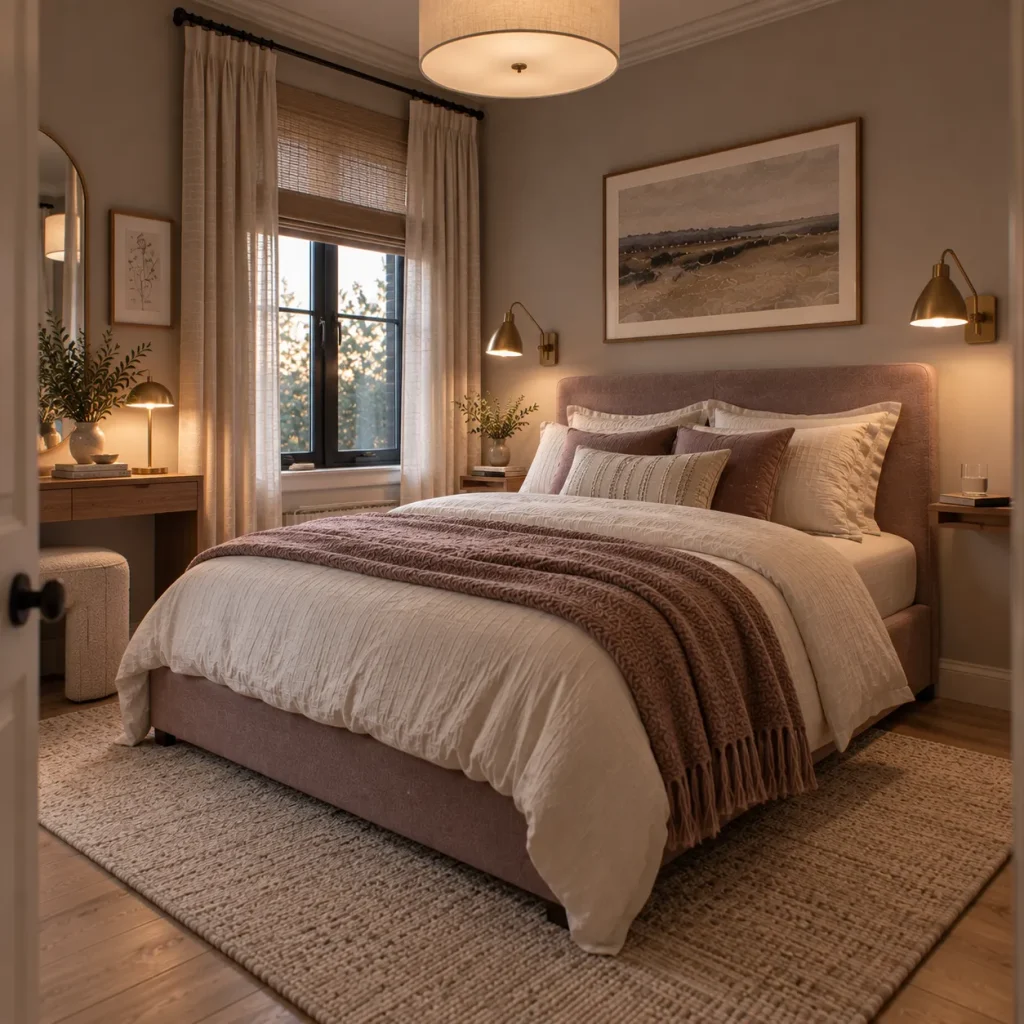
Idea 9: Replace bedside lamps with wall lights
Table lamps can consume nearly half of a small nightstand.
Wall-mounted sconces free that surface for items you actually need. Adjustable swing-arm versions are especially practical if you read in bed.
Architectural Digest includes sconces among the useful techniques for compact bedrooms because they reduce pressure on limited furniture surfaces.
Layer those lights with a ceiling fixture and, if space permits, a small task lamp at the vanity.
Keep bulb temperatures reasonably consistent so a carefully chosen palette does not look disjointed.
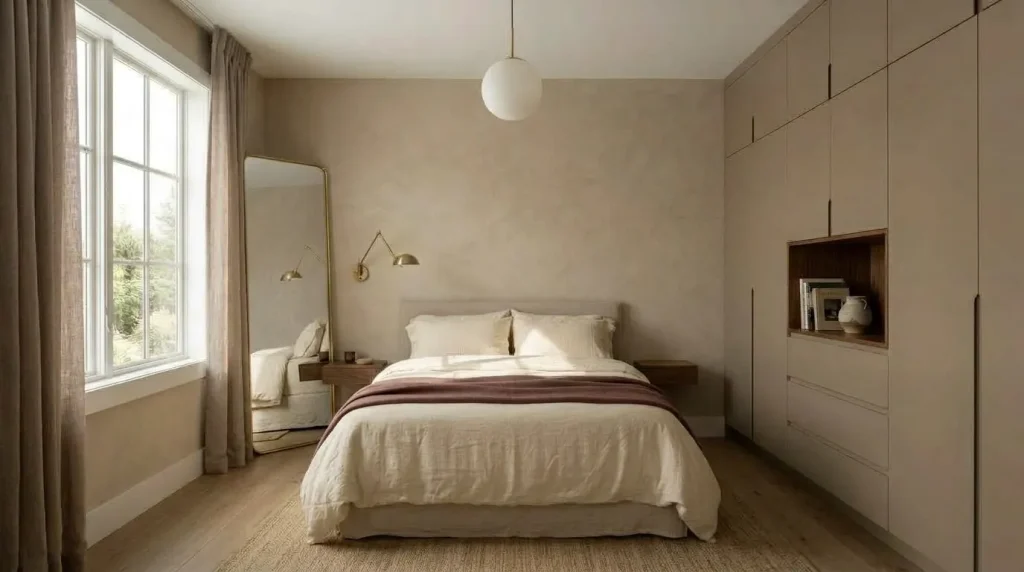
Idea 10: Use mirrors to move light, not simply decorate
A mirror works hardest when it reflects useful daylight or a pleasant view.
Try a tall mirror beside a window, a large wall mirror above a shallow vanity, or mirrored panels on wardrobe doors if that suits your style.
Reflective surfaces are one of the 2026 strategies designers are using to help compact rooms feel more open and visually generous.
But avoid scattering small mirrors around the room. One large reflective surface usually feels calmer.
And if you prefer a darker, cocooning bedroom, you do not need to make the room look enormous. Use the mirror to improve light distribution rather than chasing an illusion of endless space.
A practical plan for a small bedroom
| Problem | Better approach | Skip |
|---|---|---|
| No bedside space | Floating shelf or narrow table | Oversized matching nightstands |
| Too many clothes | Tall wardrobe plus under-bed storage | Several small dressers |
| Need a vanity | Shallow multipurpose desk | Large dressing table |
| Dark room | Mirror near daylight plus layered lighting | One harsh ceiling light |
| Bland walls | Color or statement headboard | Random small decor |
| Crowded floor | Wall-mounted storage and sconces | Furniture on every wall |
What should you avoid in a small bedroom?
Buying tiny versions of everything. Miniature furniture often looks awkward and still eats floor space.
Matching furniture sets bought all at once. A collected room usually looks more intentional and can be assembled to fit the space precisely.
An all-white room purely because it is small. Color can make a compact bedroom feel more finished, not smaller.
Too many decorative pillows or throws. If they are removed every night, they are probably not improving the room.
Open storage everywhere. Visible shoes, beauty products, clothes, books, jewelry, and accessories quickly become visual noise. Combine some display with proper closed storage.
Try this if your bedroom is under 100 square feet
Start by prioritizing four things:
A comfortable bed.
Closed clothing storage.
One useful bedside surface.
One secondary function, such as a vanity or desk.
Do not add an armchair simply because bedroom inspiration photographs often include one.
Mount the bedside lighting. Store seasonal items under the bed. Use one tall mirror rather than several decorative ones.
Then choose one feature that expresses your personality. It could be burgundy paint, floral bedding, a striped headboard, powder-blue curtains, vintage art, or dark walnut furniture.
A compact room becomes more convincing when one design decision feels intentional rather than twenty accessories trying to make up for limited space.
FAQ
What colors make a small women’s bedroom look bigger?
Light colors can increase brightness, but they are not your only option. Powder blue, soft gray-green, warm ivory, mushroom, and dusty pink can feel airy, while continuous deeper color can reduce visual breaks and make a small bedroom feel more cohesive.
How can I make a small bedroom feminine without using pink?
Use shape, material, art, and personal detail rather than relying on one gender-coded color. A curved headboard, linen curtains, dark wood, floral or abstract art, sculptural lighting, velvet, powder blue, plum, olive, or burgundy can all create a softer and more personal room.
How do I fit a vanity into a tiny bedroom?
Use a shallow wall-mounted desk or narrow console and add a mirror above it. Choose a stool that slides underneath, mount lighting on the wall, and keep beauty products inside drawers or small organizers so the surface can perform more than one job.
What furniture should I remove first from a small bedroom?
Remove furniture that duplicates another function. A second dresser, unused desk, oversized bench, or decorative chair often consumes more floor space than it earns. Current small-bedroom guidance favors an edited furniture plan with fewer, more useful pieces.
Make the bedroom fit your routine, not an aesthetic stereotype
The strongest 10 small bedroom ideas for women start with the same question: what do you actually need this room to do?
Perhaps you need excellent clothing storage. Maybe getting ready comfortably matters more than having two nightstands. You might want somewhere to read, work, display art, or simply shut the door and rest.
Plan those needs before buying decor.
Then make the room personal through color, textiles, lighting, art, and one or two pieces with real character. A small bedroom does not need to look pale, delicate, or minimal to feel spacious — pair it with our cozy bedroom ideas for extra warmth.
Start by removing the least useful piece of furniture. That extra breathing room may give you more than another storage basket ever could.