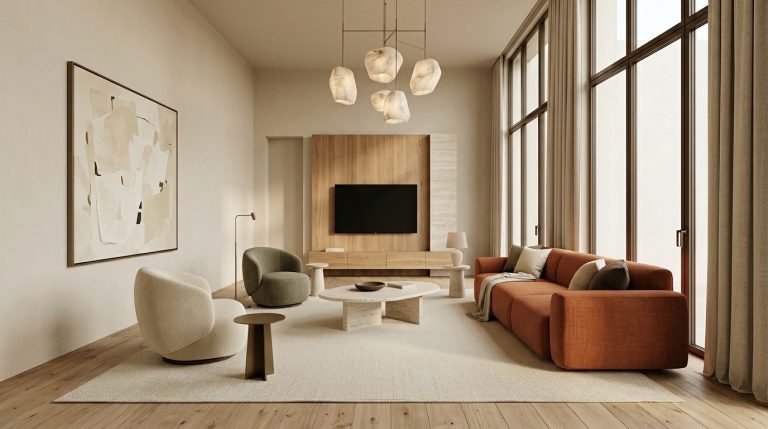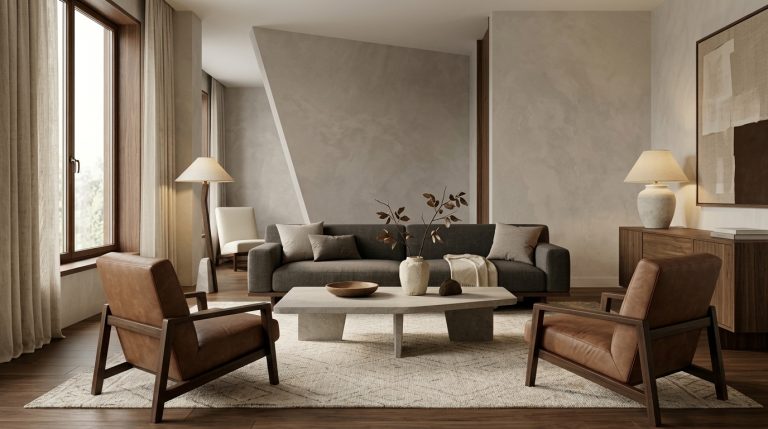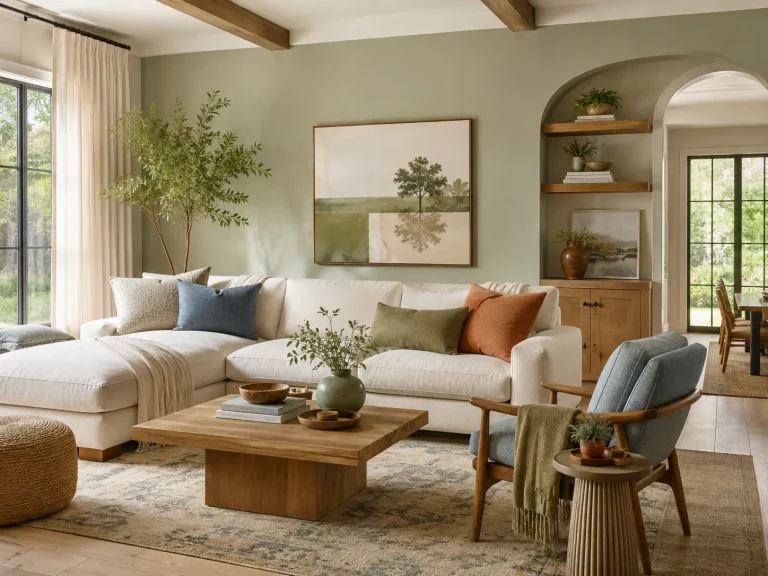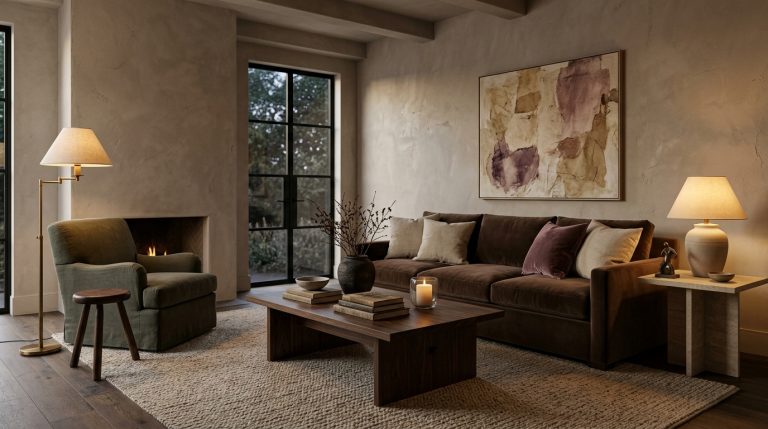
35 1990s Living Room Decor Ideas to Bring Back That Cosy, Nostalgic Feeling
There is something wonderfully familiar about a 1990s living room. Perhaps it is the oversized floral sofa, the honey-oak entertainment cabinet filled with VHS tapes, or the hunter-green walls illuminated by a pair of brass table lamps. These interiors were not always perfectly coordinated, but their generous furniture, warm colours and personal collections gave them a character that many people now want to recreate.
The decade was far more varied than the familiar suburban family room, however. English cottage interiors embraced floral fabrics and patterned wallpaper, New York apartments combined second-hand furniture with expressive artwork, and sophisticated minimalist homes explored glass, leather, metal and restrained colour. At the opposite end of the spectrum, darker alternative interiors featured jewel-toned upholstery, vintage furniture and dramatic lighting.
That variety is visible in actual interiors from the period. Architectural Digest’s archives document everything from traditional homes filled with antiques to Anna Sui’s exuberantly colourful New York apartment in 1994 and restrained desert-inspired interiors from 1995. These spaces demonstrate why reducing the decade to a single palette or furniture style misses much of its appeal.
The following 35 1990s living room decor ideas explore the different sides of the decade, from cosy suburban nostalgia and romantic English country rooms to eclectic city apartments, understated minimalism and darker alternative aesthetics. Each approach explains how to recreate the look convincingly and how to adapt its most recognisable features to a contemporary home.
Recreate the cosy 1990s suburban family room
The traditional suburban living room is one of the most recognisable interiors of the decade. Comfortable seating, substantial wooden furniture, fitted carpeting and a television-focused arrangement often took priority over architectural minimalism. The charm of these rooms came from their practicality and the personal belongings accumulated around them.
1. Make an oversized floral sofa the centre of the room
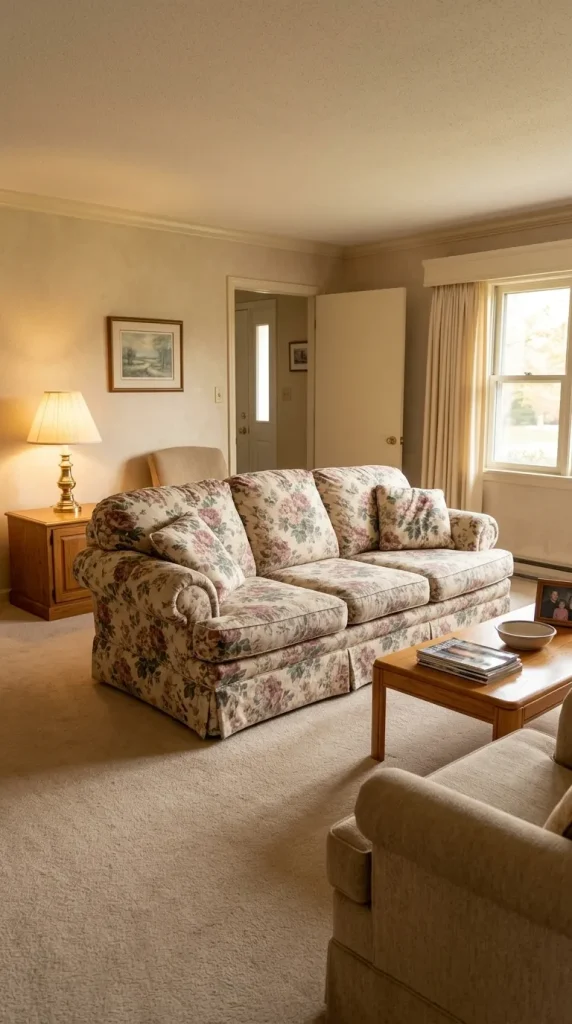
Few furniture pieces capture traditional 1990s nostalgia as effectively as a generously proportioned floral sofa. Deep seats, rounded arms, plush back cushions and substantial botanical prints created an atmosphere that felt comfortable rather than formal. Cream-based florals containing dusty rose, hunter green or burgundy are particularly convincing choices.
To recreate the look, allow the sofa to establish the main seating area and surround it with simpler furniture. A honey-oak coffee table, warm beige rug and traditional table lamps can make the floral upholstery feel like a natural part of the room. If you prefer a contemporary interpretation, choose plain curtains and restrained artwork instead of coordinating every textile with the sofa. The contrast makes vintage floral upholstery feel deliberate without removing its nostalgic character.
2. Choose a plaid couch for a traditional family-room look
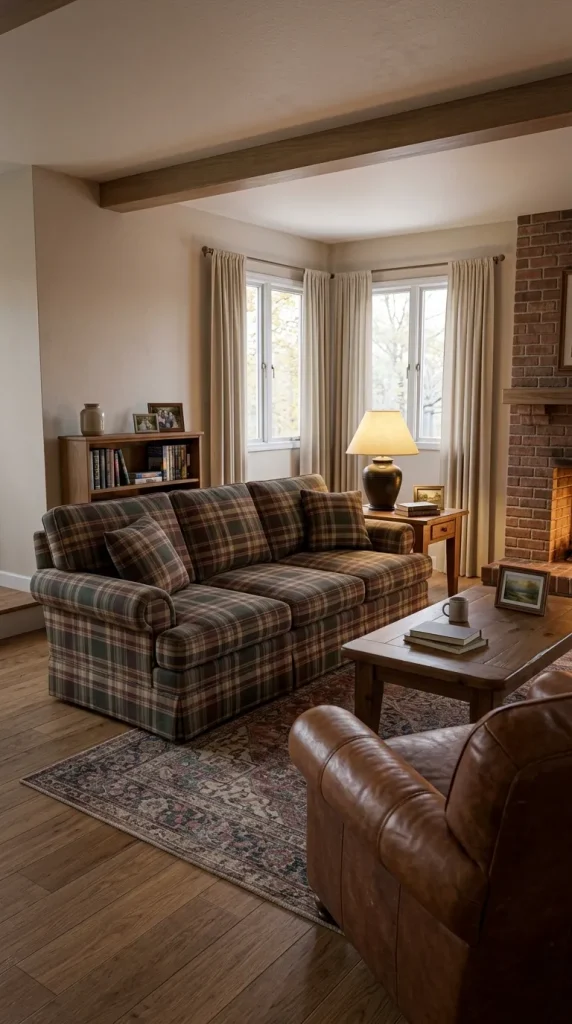
A plaid sofa offers a distinctive alternative to the romantic floral patterns associated with the decade. Muted green, burgundy, navy, brown and cream checks work particularly well in traditional family rooms, country homes and rustic interiors.
The structured pattern gives the room visual rhythm without necessarily introducing bright colour. Pair a substantial plaid sofa with warm wooden furniture, neutral walls and a traditional rug that shares one or two colours with the upholstery. A leather armchair can provide useful material contrast, while plain curtains prevent the room from becoming excessively pattern-heavy. This is an especially practical way to recreate 1990s family-room character if you prefer a more restrained palette.
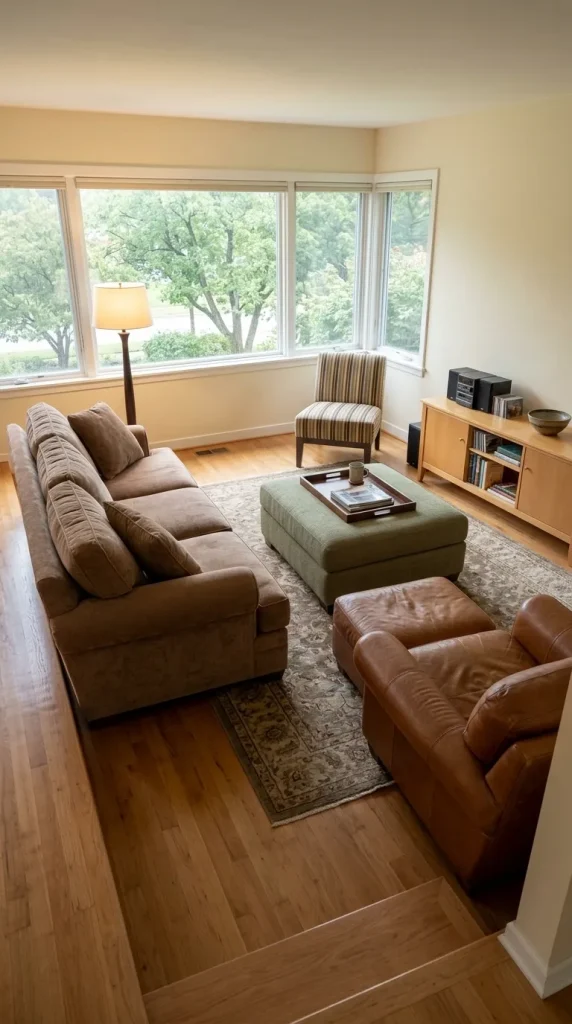
3. Bring back generous sofas and substantial armchairs
The oversized upholstered furniture associated with many 1990s homes contributed to their relaxed, informal atmosphere. Deep sofas, wide armchairs and generously cushioned sectionals made family living rooms feel like places intended for spending an entire evening rather than receiving visitors for a short conversation.
You can recreate that sense of comfort without buying a complete matching furniture suite. One substantial sofa paired with a deep leather or upholstered armchair may provide enough visual weight. Use a large coffee table or upholstered ottoman to connect the seating, then keep the remaining furniture relatively simple. In a small living room, prioritise comfortable seating depth while choosing narrower arms to preserve valuable floor space.
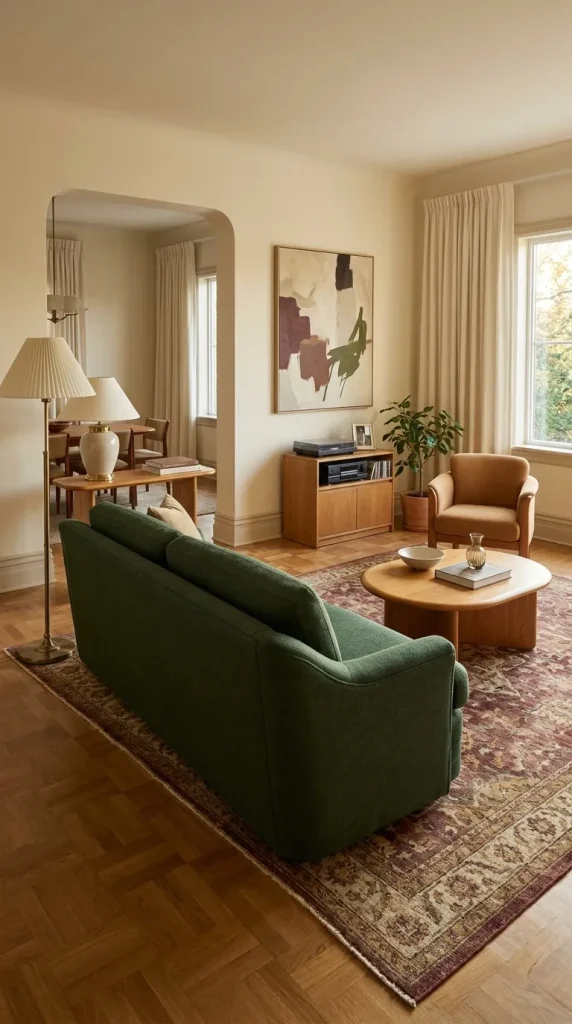
4. Decorate around a hunter-green sofa
Hunter green is one of the strongest colour associations of traditional 1990s decorating. It appeared on sofas, carpets, walls, curtains and patterned upholstery, frequently alongside burgundy, warm cream, oak and brass.
A deep-green sofa can become the foundation of an exceptionally convincing nostalgic living room. Position it against cream or warm beige walls, introduce a honey-oak coffee table and complete the arrangement with traditional lighting. A rug containing muted burgundy or gold can connect the different colours without making the room feel overly coordinated. For an updated version, retain the green sofa but simplify the surrounding textiles and introduce one substantial contemporary artwork.

5. Pair burgundy with forest green and warm cream
Burgundy and forest green create a rich traditional palette strongly associated with the decade. Both colours have enough depth to complement warm timber, brass lighting, patterned textiles and generously upholstered furniture.
Use one as the principal colour and the other as a supporting accent. A burgundy sofa, for example, might sit beside forest-green curtains and a traditional rug containing both colours. Cream walls provide the necessary visual relief, while honey-oak furniture prevents the darker shades from becoming too severe. If you want to use both colours more extensively, introduce lighter upholstery and artwork so the overall composition retains enough contrast.
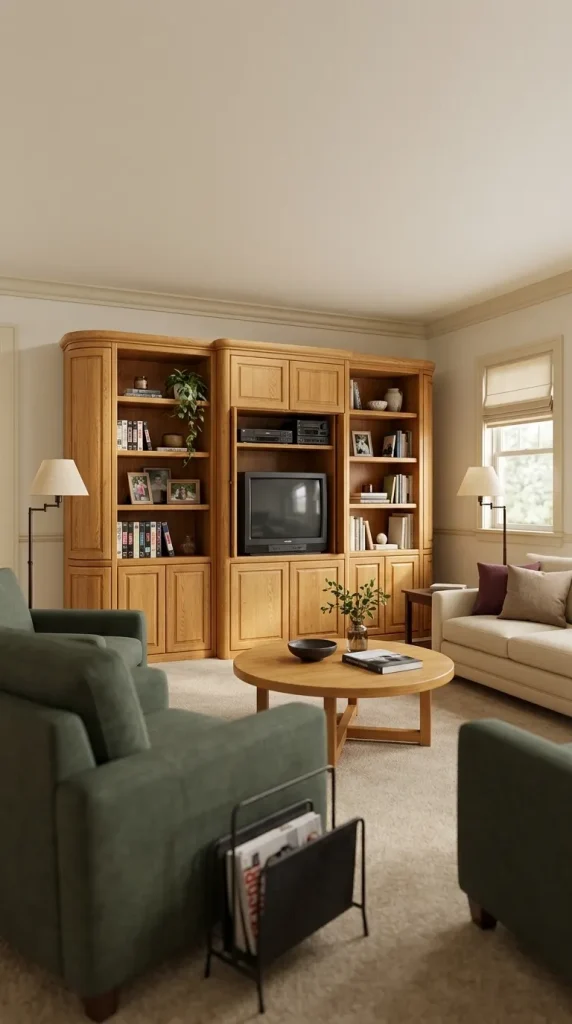
6. Let honey-oak furniture define the nostalgic atmosphere
Honey-toned oak can be just as important to a 1990s living room as the upholstery. Entertainment centres, coffee tables, side tables and bookshelves in warm golden wood were familiar features of suburban family homes, particularly when paired with beige carpeting and traditional furniture.
Rather than automatically painting inherited oak furniture, consider building a deliberate palette around it. Hunter green, warm ivory, muted burgundy and chocolate brown all work naturally with golden wood. To make the arrangement feel more contemporary, introduce matte finishes, simpler upholstery and darker metal accents. One attractive oak coffee table or substantial media cabinet can communicate the period without requiring every wooden piece in the room to match.
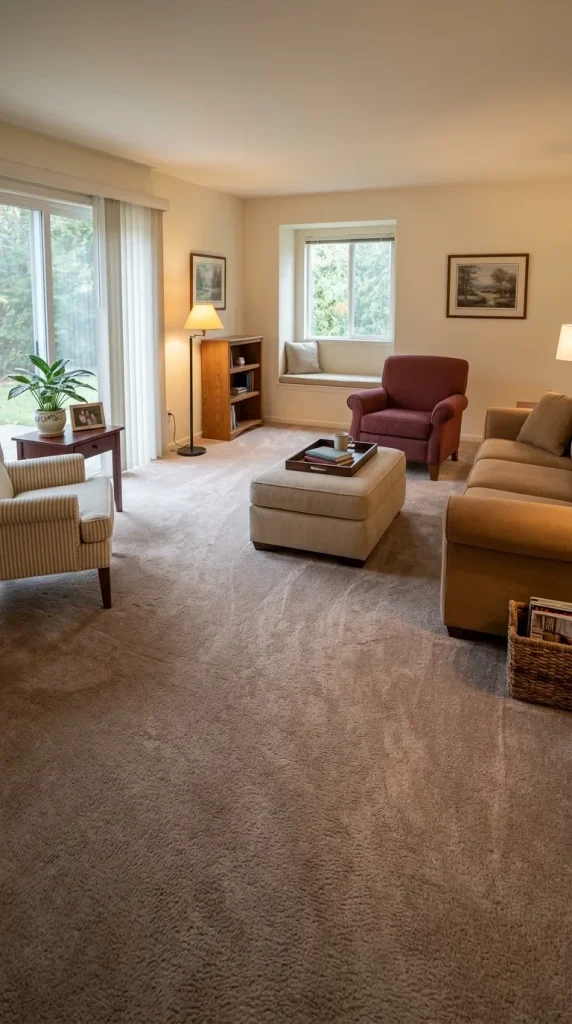
7. Recreate the soft atmosphere of wall-to-wall carpeting
Fitted carpeting played a substantial role in the appearance and comfort of many 1990s family rooms. Beige, warm taupe, muted green and other understated colours created a soft foundation for substantial seating, wooden furniture and traditional decorative accessories.
If you already have suitable carpeting, use it as part of the scheme rather than treating it as a problem that must be corrected. Warm lamps, comfortable upholstery and a few richer accent colours can make an ordinary carpeted room feel surprisingly nostalgic. If you have timber or another hard flooring material, a generous plush rug offers a more flexible way to introduce the same softness. Make sure it is large enough to connect the sofa and armchairs rather than floating beneath the coffee table.
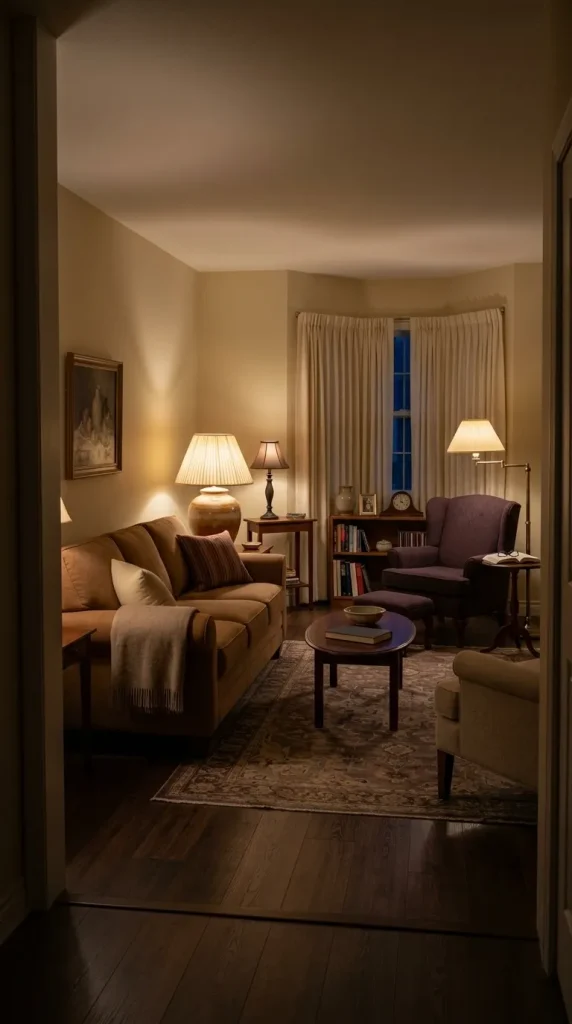
8. Create a cosy evening living room with traditional lamps
Lighting contributes enormously to the familiar atmosphere of a 1990s living room. Large ceramic table lamps, brass bases, pleated fabric shades and traditional floor lamps created warm pools of light around sofas, armchairs and side tables.
Choose lighting that relates to the proportions of the furniture. A substantial lamp beside a generously upholstered sofa looks more convincing than several tiny accent lights scattered around the room. Fabric shades soften the illumination, while a separate reading lamp beside an armchair makes the space genuinely practical. The result should feel inviting after dark, with enough ambient light for conversation and enough focused illumination for reading.
Explore the distinctive colours and wall treatments of the 1990s
The decade featured several very different colour directions. Early-1990s homes often retained pastel schemes from the preceding years, while traditional interiors embraced deeper greens, burgundy and warm neutrals. At the same time, more expressive homes experimented with bold colour and unconventional decorative finishes.
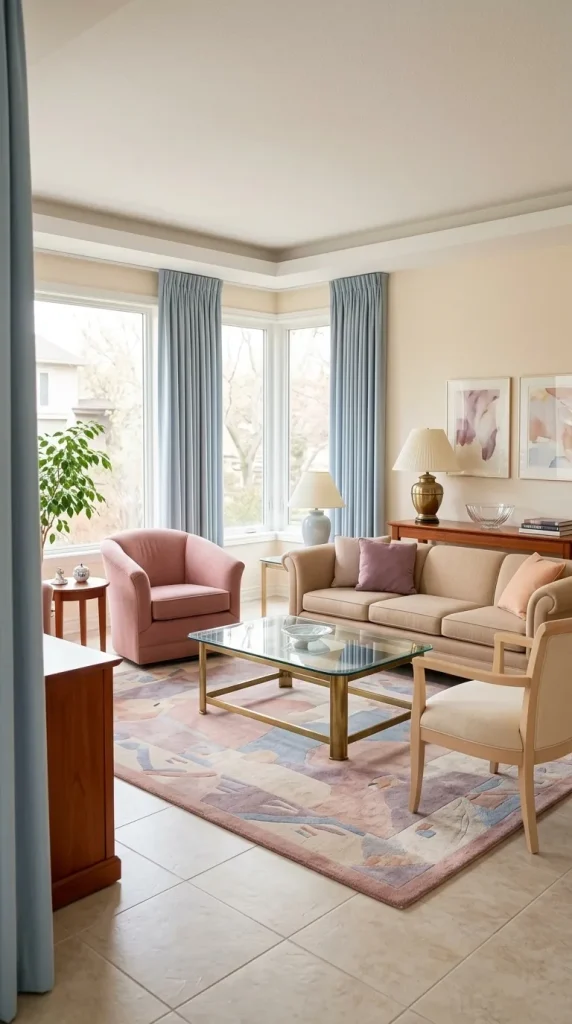
9. Recreate a soft early-90s pastel living room
Dusty rose, peach, pale blue, mauve and warm cream can evoke the transitional decorating schemes seen in many homes at the beginning of the decade. These colours often appeared alongside brass details, substantial upholstery, glass tables and coordinated decorative textiles.
Begin with cream or pale neutral walls and choose one pastel as the main accent. A dusty-rose armchair could complement a beige sofa, while muted blue curtains or a patterned rug introduce a secondary colour. The shades should feel slightly softened rather than intensely saturated. Traditional lighting and a few warm wooden pieces can give the arrangement enough visual weight to prevent it from becoming overly delicate.
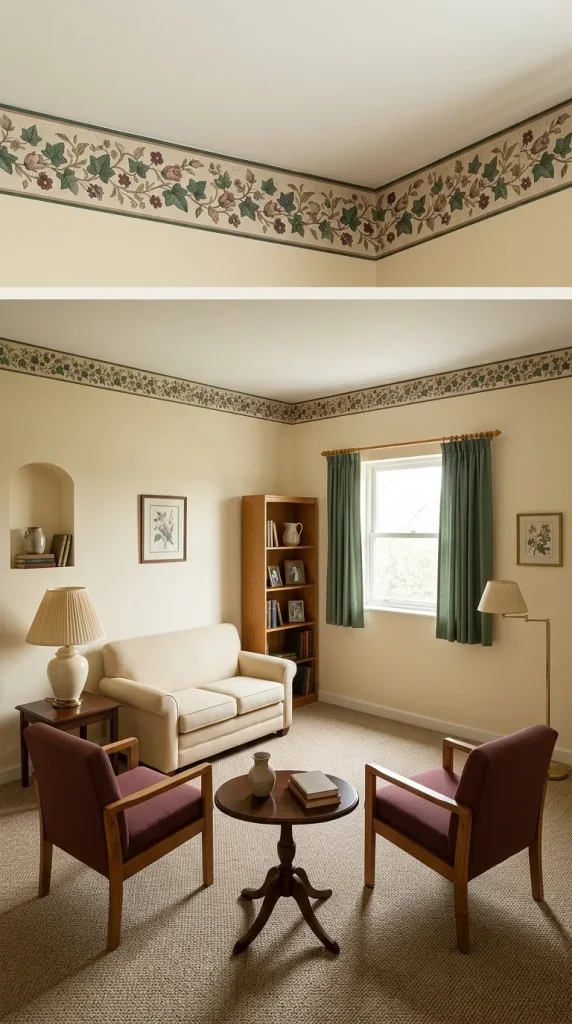
10. Introduce a floral wallpaper border
A wallpaper border is one of the most immediately recognisable wall treatments associated with conventional 1990s interiors. Floral vines, ivy, botanical patterns and traditional country motifs frequently appeared near the ceiling, creating a decorative edge above otherwise simple painted walls.
For a faithful recreation, choose a border containing colours already present in the upholstery and curtains. A hunter-green and burgundy floral design, for example, could connect a traditional sofa with cream walls and warm wooden furniture. If you prefer a modern interpretation, use a more restrained botanical or geometric border and keep the surrounding wall decoration simple. The border should reinforce the room’s character rather than compete with multiple unrelated patterns.
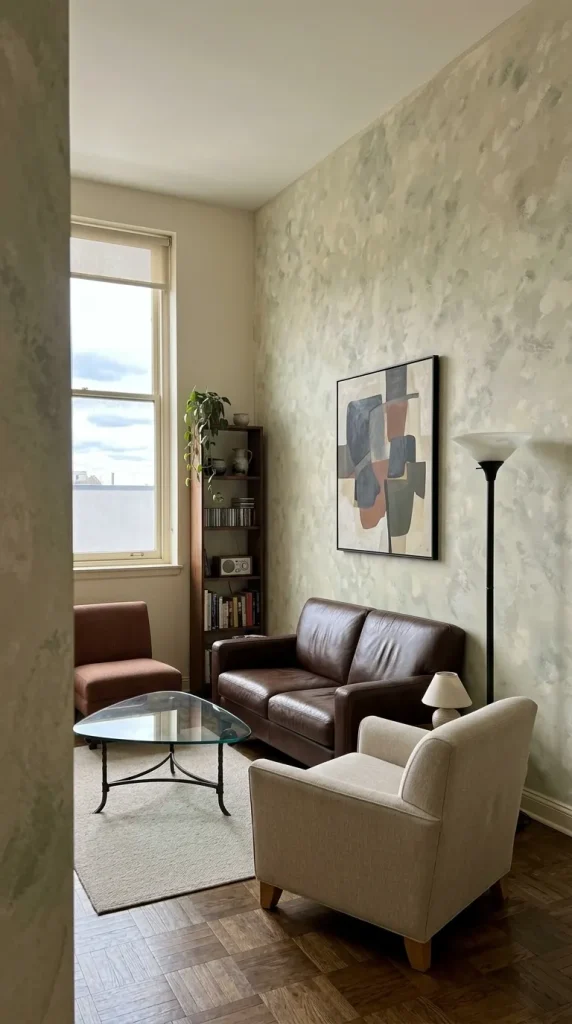
11. Experiment with sponge painting and textured walls
Decorative painting techniques offer another way to recreate the handmade appearance associated with many homes from the decade. Sponge painting, stencilled details and faux finishes were used to introduce texture and visual variation before feature walls became the default solution for adding personality.
For a nostalgic family room, a muted sponge-painted finish in warm beige, pale sage or soft peach can complement traditional upholstery and timber furniture. Use colours with relatively little contrast if you want the texture to remain subtle. A more expressive apartment could use a stronger decorative finish on one wall, allowing it to serve as the main visual feature. Avoid combining several different paint effects in one small room unless you are deliberately recreating a highly decorative period interior.

12. Build a family-photo wall with mixed wooden frames
Family photography was an important decorative element in ordinary 1990s homes. Mantelpieces, entertainment cabinets and living room walls often displayed a combination of formal portraits, holiday pictures and everyday family memories.
To recreate this atmosphere, mix several photographs in warm timber, dark wood or simple metal frames. A relaxed arrangement can feel more historically familiar than a perfectly symmetrical contemporary grid, but the overall composition still benefits from consistent spacing and one or two larger anchor images. Keep photographs concentrated on a substantial wall or piece of furniture rather than distributing tiny frames across every available surface.
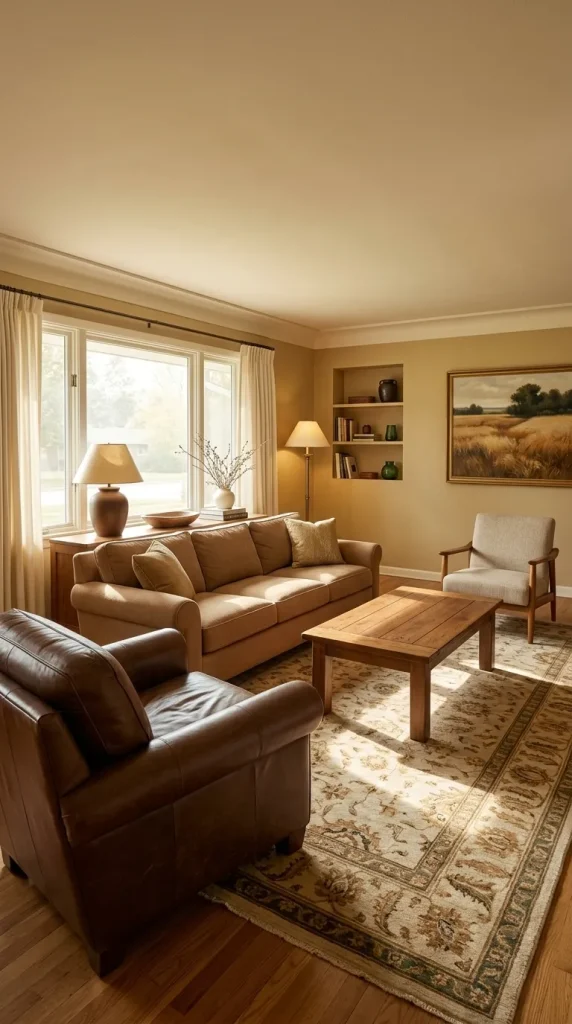
13. Use earthy brown, tan and muted gold for a warmer palette
Although hunter green and burgundy are strongly associated with the decade, earthy neutral interiors were equally familiar. Tan upholstery, chocolate-brown leather, golden-beige walls and warm wooden furniture created comfortable family rooms without relying on extensive floral patterns.
Combine a tan or brown sofa with a substantial timber coffee table, cream curtains and a traditional rug. Muted gold can appear through upholstery details, artwork or lighting, while a small amount of forest green adds depth. Vary the lightness of the materials so the room does not become one continuous field of brown. This palette works particularly well for readers who already own substantial leather seating or honey-oak furniture.
Bring back the retro television and entertainment room
Television and physical media were central to the arrangement of many 1990s family rooms. Large television cabinets, VHS collections, stereo systems and video-game consoles often formed a substantial part of the room’s visual character.
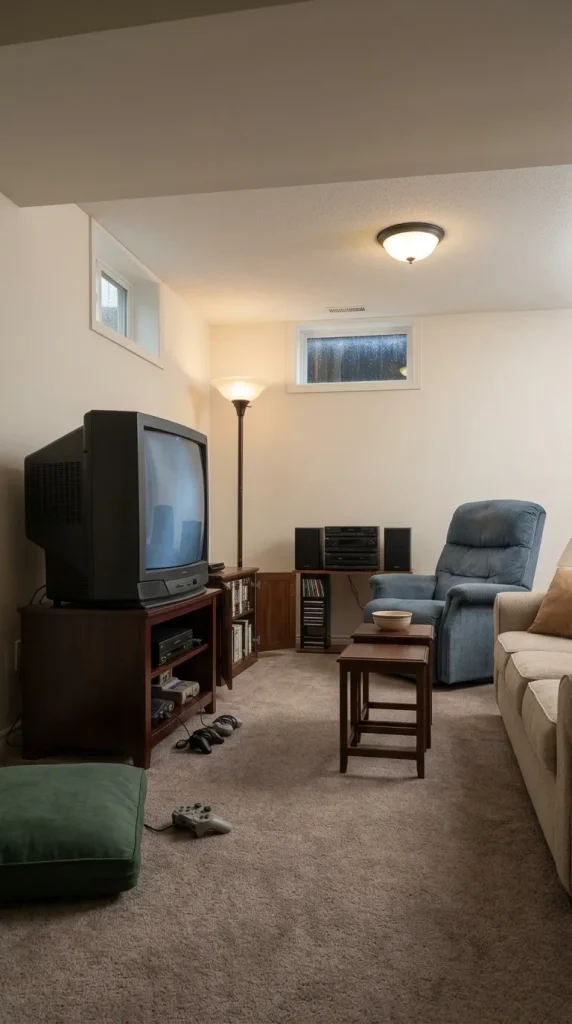
14. Build a nostalgic living room around a CRT television
An original CRT television provides one of the clearest visual references to an authentic 1990s entertainment room. Its substantial shape, deeper cabinet and lower placement create a different furniture arrangement from the flat-screen televisions used in most contemporary homes.
If you want a faithful recreation, choose an appropriately sized television cabinet and position the seating around the screen. Keep original equipment in safe working condition and use furniture capable of supporting its weight. For a modern interpretation, retain contemporary television technology but introduce period-inspired furniture, warm lighting and visible media storage. The surrounding environment can establish the nostalgic atmosphere without requiring every electronic device to be obsolete.
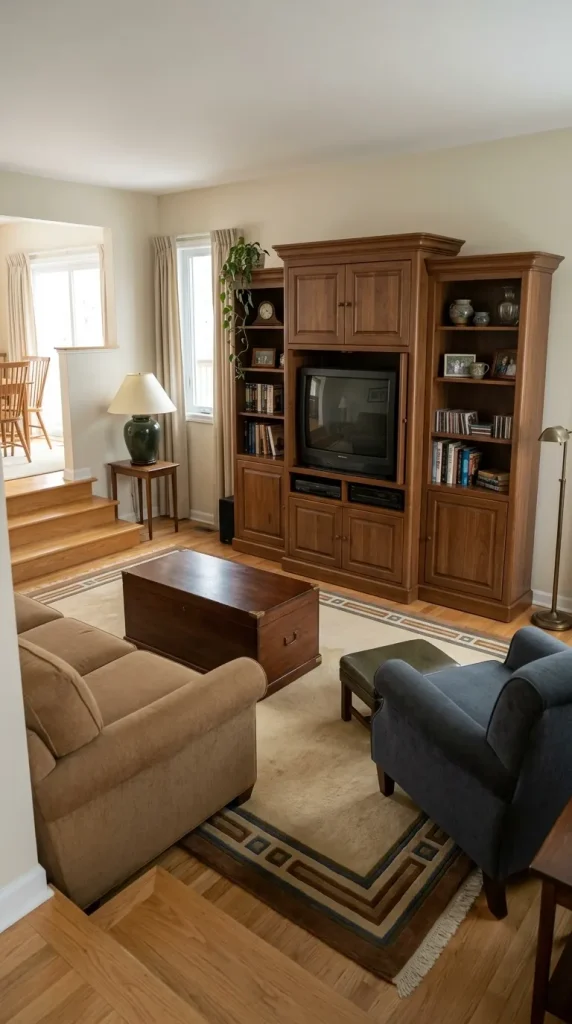
15. Give a large wooden entertainment centre pride of place
A substantial entertainment centre can become the defining feature of a traditional 1990s living room. Honey-oak, medium-toned timber and darker wooden cabinets frequently incorporated shelves for televisions, video equipment, books, photographs and decorative objects.
For a period-inspired scheme, choose an entertainment unit with a strong furniture-like presence rather than a minimal floating media shelf. A combination of closed cupboards and open shelving makes the arrangement practical while allowing selected collections to remain visible. If your living room is compact, use a low wooden console with matching side shelving instead of a full-wall installation. The goal is to capture the importance of entertainment furniture without overwhelming the available space.
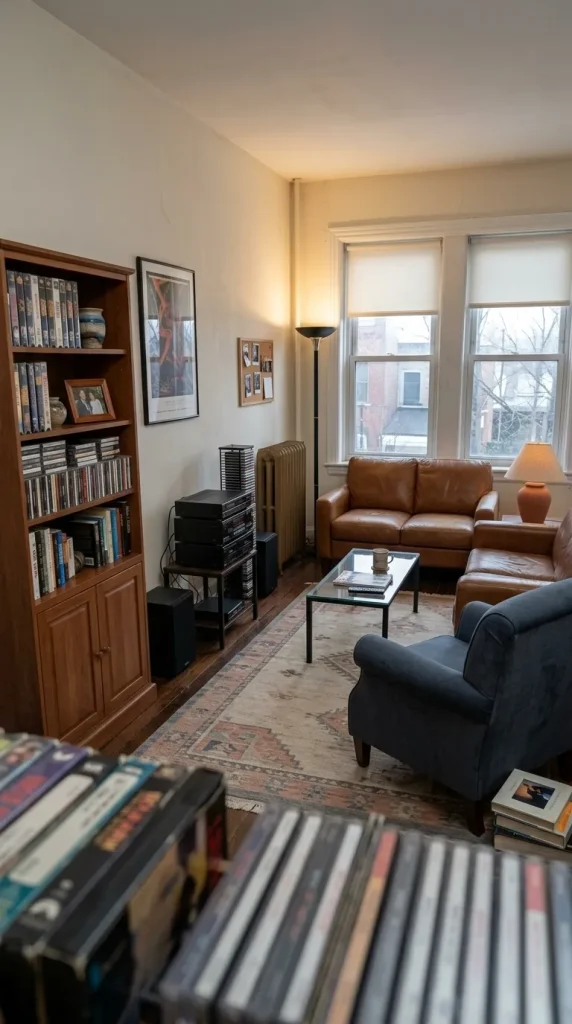
16. Display VHS tapes, CDs and other physical media
Physical-media collections can contribute substantially to the lived-in character of a nostalgic 1990s living room. VHS tapes, CDs, cassette collections, stereo equipment and shelves of films evoke a time when entertainment often occupied considerable physical space.
Choose one defined storage area rather than spreading collections throughout the room. A wooden cabinet with adjustable shelves works especially well in a suburban family room, while a narrow media tower can suit an apartment. Include books, photographs or a few personal objects to prevent the display from resembling a shop. The collection should feel connected to the household’s interests rather than a random assortment of objects acquired solely for decoration.
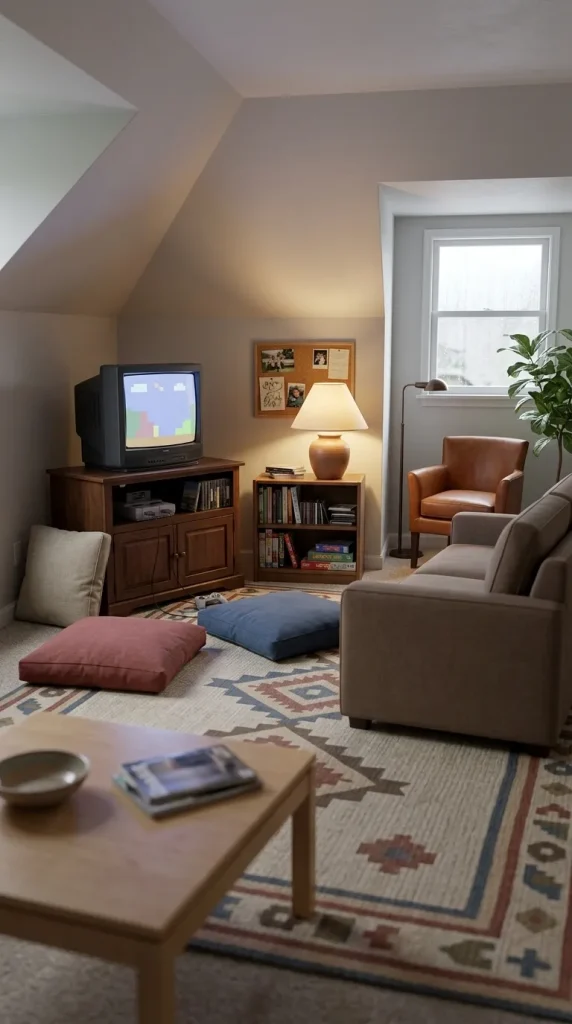
17. Create a retro gaming corner within the living room
A 1990s-inspired gaming area can add personality without turning the entire living room into a dedicated games room. A period-appropriate console, compact television stand, comfortable floor cushions and accessible game storage can recreate the informal atmosphere of an after-school or weekend hangout.
Choose a corner where the equipment can remain organised without obstructing the main seating area. A smaller second-hand cabinet may be more practical than another full entertainment centre. Use warm table lighting and a substantial rug to make the space feel connected to the rest of the room. If you use original gaming equipment, provide appropriate ventilation and follow the manufacturer’s electrical and connection requirements.

18. Recreate the relaxed atmosphere of a 90s sitcom living room
The appeal of a 1990s sitcom living room often comes from its colourful, informal and slightly mismatched character. Comfortable sofas, patterned rugs, bookshelves, artwork and personal collections make the room feel as though several people have contributed to it over time.
Rather than copying a famous television set exactly, borrow the broader decorating principles. Combine a substantial sofa with an unrelated armchair, a second-hand coffee table and an eclectic selection of artwork. Introduce books, plants and meaningful objects, but retain enough clear space for everyday use. A warm colour palette can connect the different pieces without making them appear as though they were purchased together.
Bring English cottage and country decorating into the living room
Country-inspired decorating provides an important alternative to the conventional American suburban room. Traditional British interiors, French country influences and farmhouse styling all appeared during the decade, but each used different proportions, materials and patterns.
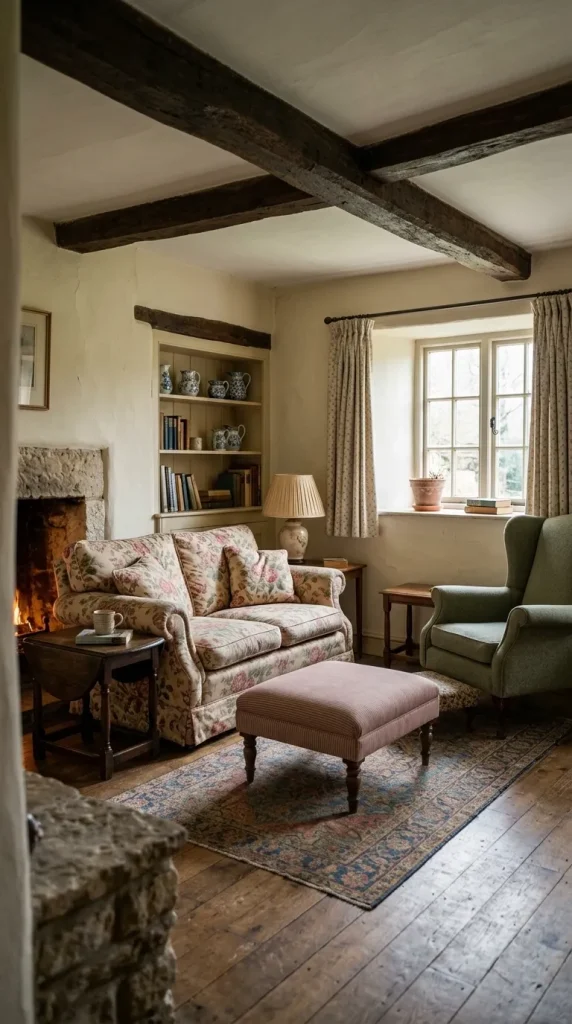
19. Create a cosy English cottage living room with floral upholstery
An English cottage-inspired living room can embrace the decorative fullness of the 1990s through floral sofas, traditional curtains, antique wooden tables and a generous collection of books and ceramics. Unlike a large suburban family room, the proportions may be more compact and the furniture more closely related to a fireplace or bay window.
Choose a floral sofa or armchair with a muted botanical palette and combine it with warm cream, sage or dusty rose. A traditional rug and softly patterned curtains add depth, while timber furniture prevents the room from feeling overly delicate. Preserve visible architectural features wherever possible, allowing the old fireplace, timber beams or window proportions to contribute naturally to the atmosphere.
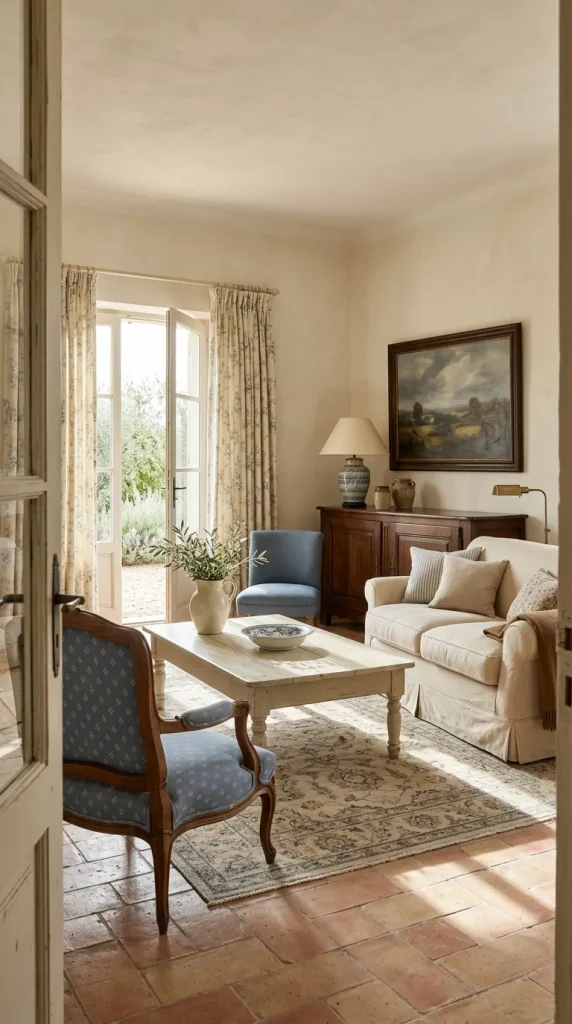
20. Use a cream-and-blue palette for French country nostalgia
French country interiors offer a softer, more romantic alternative to darker traditional 1990s decorating. Cream walls, faded blue upholstery, painted wooden furniture and small floral patterns can create a gentle atmosphere with plenty of vintage character.
Begin with a comfortable cream sofa and introduce blue through an armchair, traditional rug or patterned curtains. A painted antique-style coffee table or wooden sideboard provides a relaxed foundation, while ceramic lamps and botanical prints complete the arrangement. Avoid making every surface pale and decorative. A darker wooden piece or substantial artwork can create the contrast needed to keep the room visually balanced.
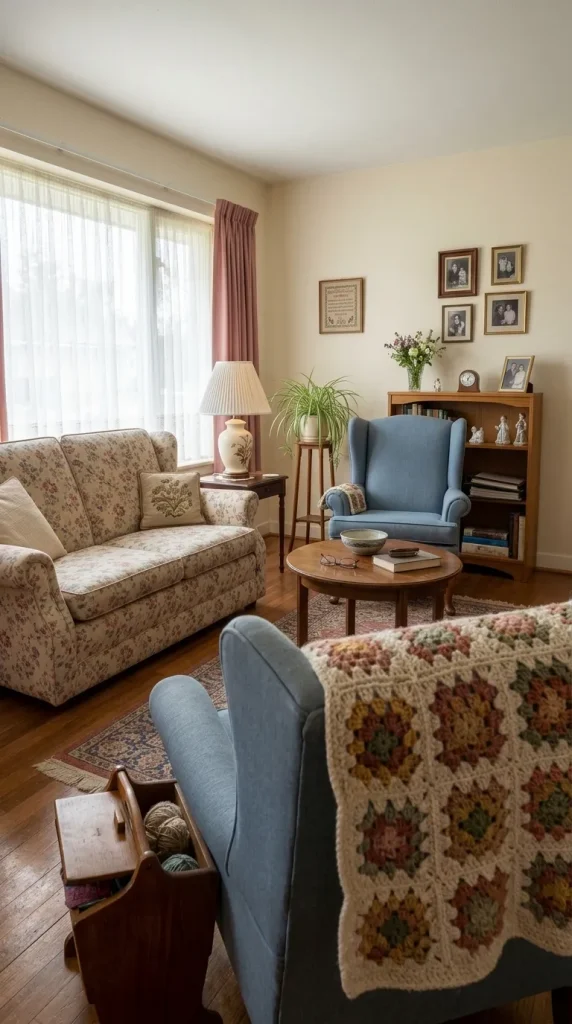
21. Create a nostalgic granny-style living room with handmade textiles
The contemporary term granny chic describes a renewed interest in traditional furniture, floral textiles, handmade accessories and rooms filled with personal history. These elements overlap naturally with the appearance of many traditional 1990s homes, although the modern label should not be treated as a historical style used universally during the decade.
A comfortable floral sofa, antique side table, crochet throw and traditional lamp can create the foundation. Add a bookshelf, framed photographs and a patterned rug, then allow the different objects to feel accumulated rather than deliberately matched. The most convincing rooms use meaningful older pieces alongside practical everyday furniture. A few carefully chosen handmade textiles can introduce warmth without covering every chair and surface in decorative fabric.
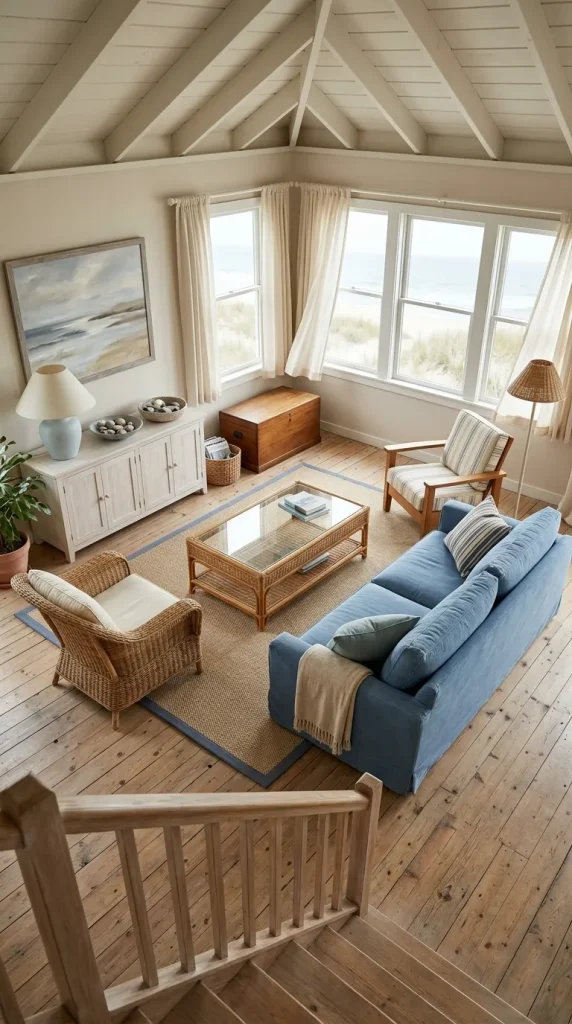
22. Recreate a relaxed 1990s coastal living room
A period-inspired coastal living room can feel very different from the minimal white-and-beige seaside interiors popular today. Pale blue upholstery, whitewashed furniture, wicker, striped cushions and lightweight curtains can create a softer and more decorative atmosphere associated with casual beach houses.
Use a comfortable sofa and natural-fibre rug as the foundation, then introduce faded blue, cream and warm timber. A wicker chair or rattan coffee table adds texture, while selected coastal artwork can establish the setting without relying on numerous novelty nautical accessories. Keep the room comfortable and informal, with enough substantial furniture to balance the lighter materials.
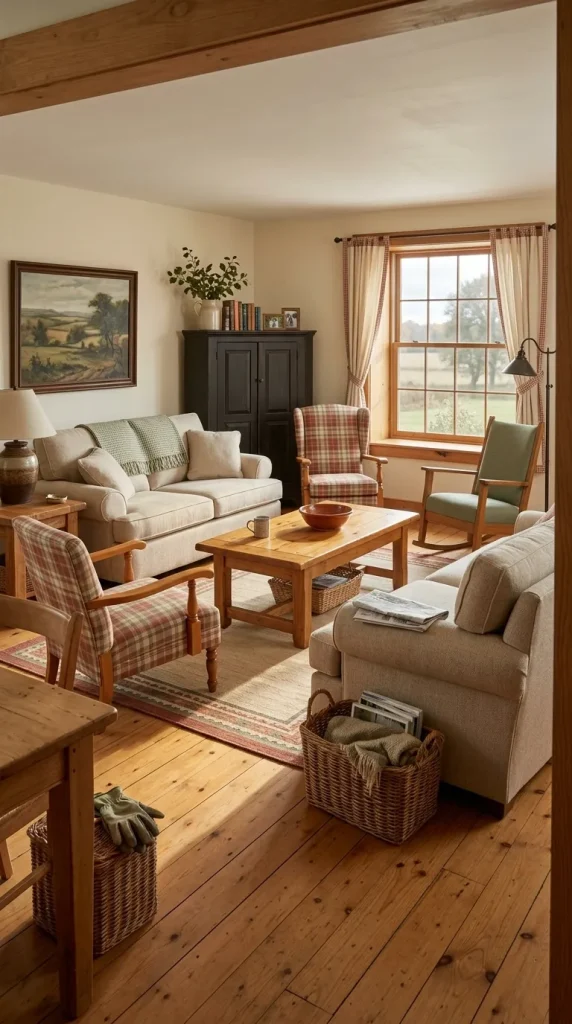
23. Build a warm 1990s farmhouse living room
A traditional farmhouse-inspired living room can combine substantial timber furniture, gingham or plaid textiles, comfortable upholstery and simple country accessories. This approach differs from the more romantic English cottage aesthetic because its materials and furniture often feel sturdier and more utilitarian.
Choose a warm wooden coffee table, a comfortable neutral sofa and one patterned armchair or set of curtains. Muted red, sage, cream and honey oak create a suitable palette, while baskets and simple ceramic pieces provide practical decoration. Avoid filling the room with generic signs or artificially distressed accessories. Furniture proportions, natural materials and useful household objects should establish the character.
Explore colourful apartments and eclectic 1990s interiors
City apartments and creative homes from the decade could look dramatically different from the traditional suburban family room. Some used second-hand furniture, graphic artwork and expressive colour combinations, while others embraced unusual objects, striking architecture and collections accumulated over time.

24. Create a collected New York apartment with vintage furniture
A 1990s New York-inspired living room can combine older architectural details with furniture from different periods. Exposed brick, substantial windows, vintage sofas, second-hand tables and eclectic artwork provide a strong starting point where the property naturally supports them.
Keep the furniture arrangement comfortable rather than trying to fill every corner. A compact sofa, one distinctive armchair and a practical coffee table can establish the main seating area. Artwork, books and a music collection add personality, while a warm rug connects the different pieces. The result should feel like an apartment assembled gradually by someone with individual taste rather than a perfectly coordinated retro furniture showroom.
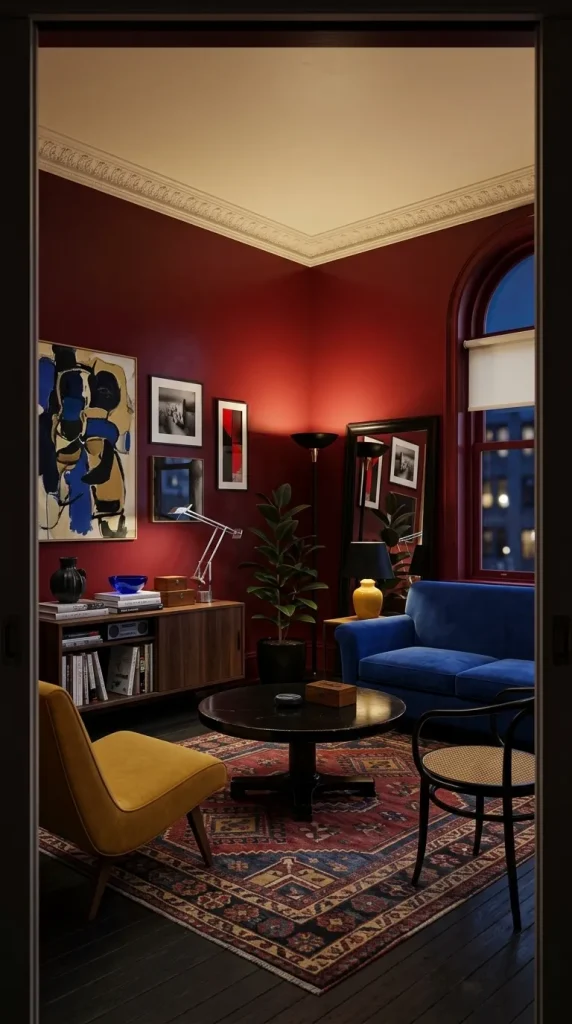
25. Use bold colour for an expressive 1990s apartment
Not every colourful 1990s room relied on muted florals or traditional decorative schemes. Some city apartments used saturated wall colours, contrasting furniture and expressive artwork to create highly individual interiors.
A richly coloured living room can begin with a deep red, cobalt blue or vibrant yellow focal element. Balance it with second-hand furniture and artwork that repeats selected colours rather than introducing unrelated accents everywhere. Architectural Digest’s 1994 documentation of Anna Sui’s New York apartment offers a particularly vivid historical example, with striking red interiors and a mixture of collected furnishings. The important lesson is that bold colour can provide the main structure of a room when the furniture and artwork are chosen to support it.
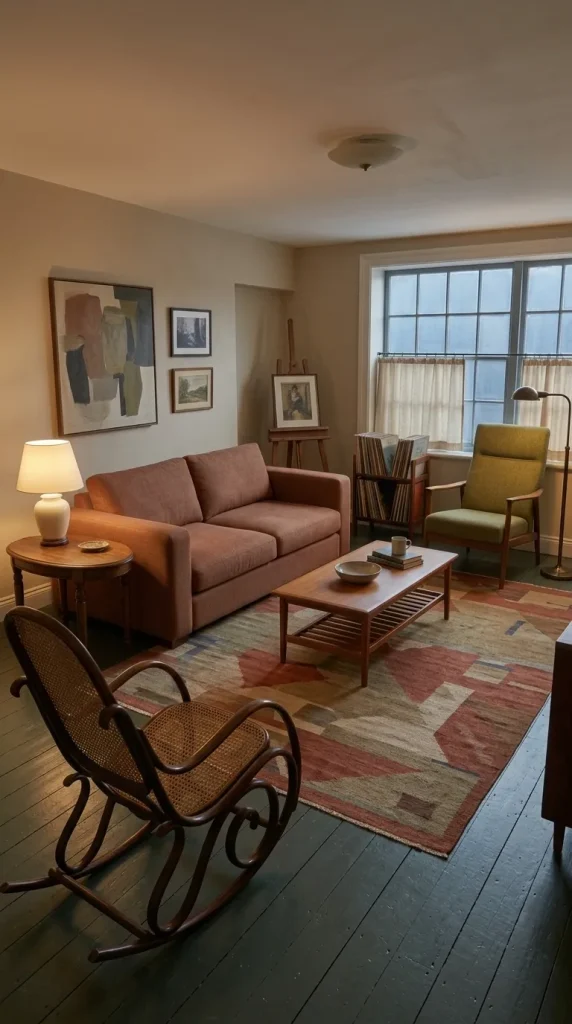
26. Mix thrifted furniture for an authentic eclectic look
A convincingly eclectic 1990s living room does not need furniture from one manufacturer or even one decade. A substantial sofa, antique side table, second-hand armchair and vintage cabinet can create a relaxed atmosphere when their colours and proportions relate to one another.
Choose one or two elements to repeat across the room. Perhaps several pieces share warm timber finishes, or the rug contains colours that appear in both the sofa and artwork. A consistent lighting temperature can also make mismatched furniture feel more cohesive. Leave room for unusual objects, but resist the temptation to fill every available surface simply because the style is eclectic.
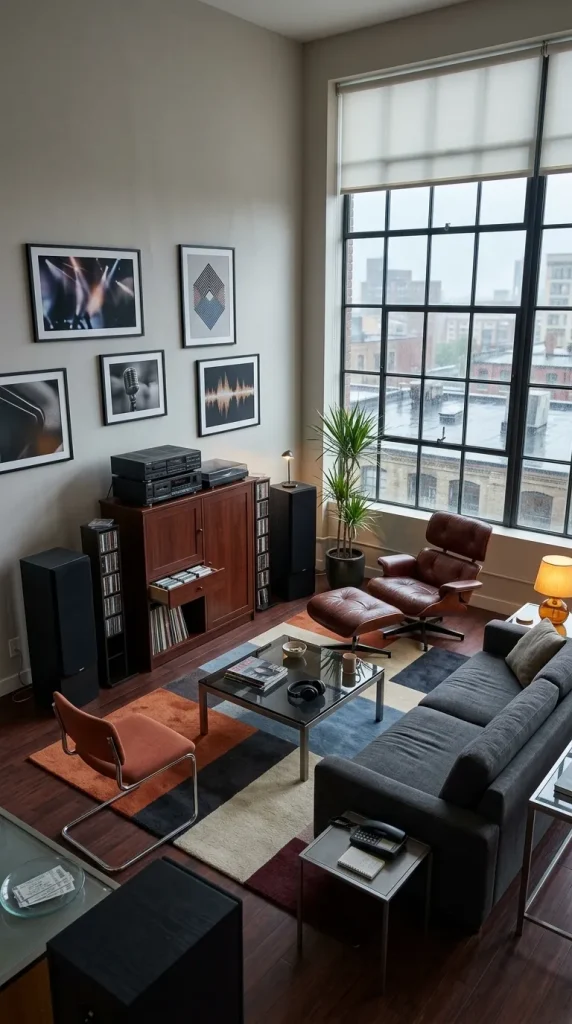
27. Create a music-inspired urban living room
Music and personal collections can establish the atmosphere of a 1990s apartment without relying on exaggerated cultural stereotypes. A stereo system, CD collection, framed album artwork and comfortable seating can create a room that reflects the importance of music to the people living there.
Choose artwork and recordings that genuinely represent your interests. A substantial media cabinet and visible speakers can provide the strongest period references, while a vintage leather chair or colourful rug introduces character. If you draw on a specific music culture or city scene, use actual period references rather than assuming that one decorative style represented every household within that community.
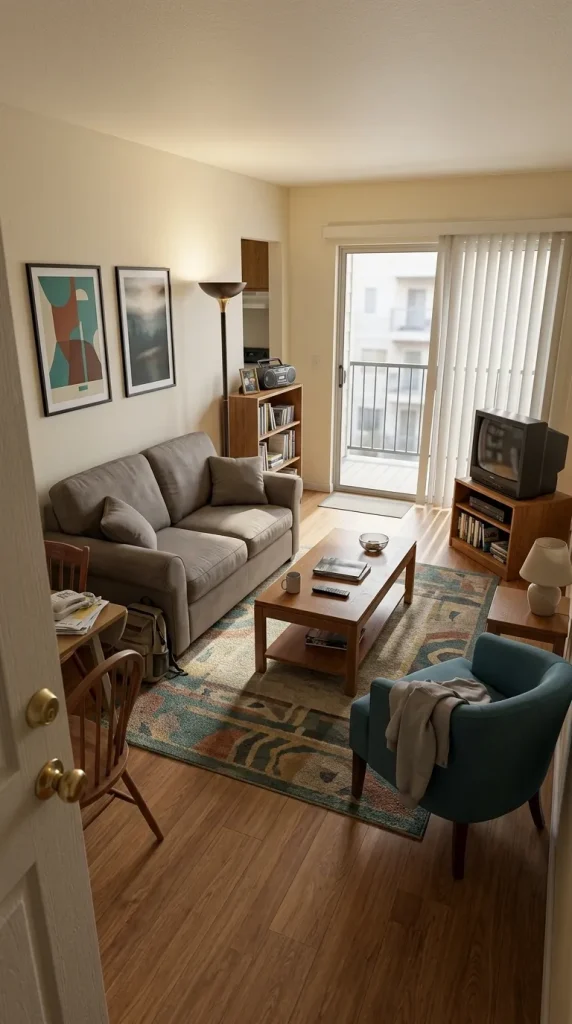
28. Make a small first apartment feel unmistakably 1990s
A compact apartment can capture the decade through a few carefully selected objects rather than an enormous entertainment centre or multiple oversized sofas. Start with a comfortable sofa, second-hand coffee table, patterned rug and modest media cabinet.
Introduce a vintage lamp, framed posters and a small collection of books or physical media. Warm timber and muted colour can create a familiar first-apartment atmosphere, while one stronger accent introduces more personality. Keep circulation clear and use practical storage rather than allowing the nostalgic accessories to consume every available surface. The room should feel informal, comfortable and achievable on a realistic budget.
Discover the minimalist and luxurious sides of 1990s design
The decade also included highly restrained modern interiors and ambitious designer homes. These spaces offer useful inspiration for readers who appreciate the period but do not want floral upholstery, traditional wooden entertainment furniture or decorative wallpaper.
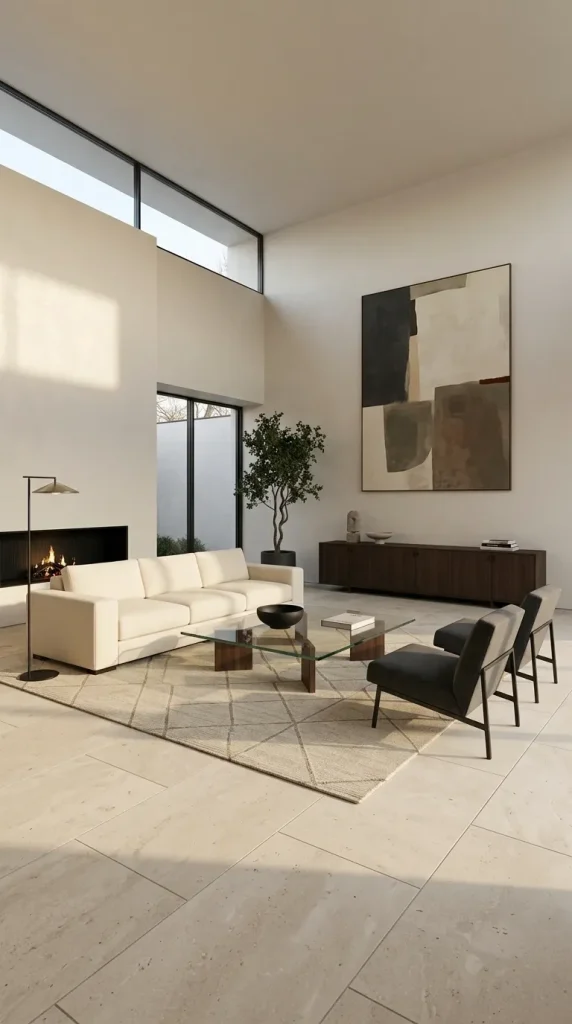
29. Create a restrained 1990s minimalist living room
Minimalist interiors provide a striking contrast to the more decorative family rooms of the decade. Simple furniture silhouettes, restrained colour, open floor space and carefully selected art can establish an atmosphere that feels architectural rather than nostalgic in an obvious way.
Choose a neutral palette of warm white, cream, beige, charcoal or black. Combine a generously proportioned but simply upholstered sofa with a glass or timber coffee table and one substantial artwork. Natural materials introduce variation without requiring several different colours. Keep shelving and decorative objects controlled so the furniture, windows and room proportions remain the strongest visual elements.
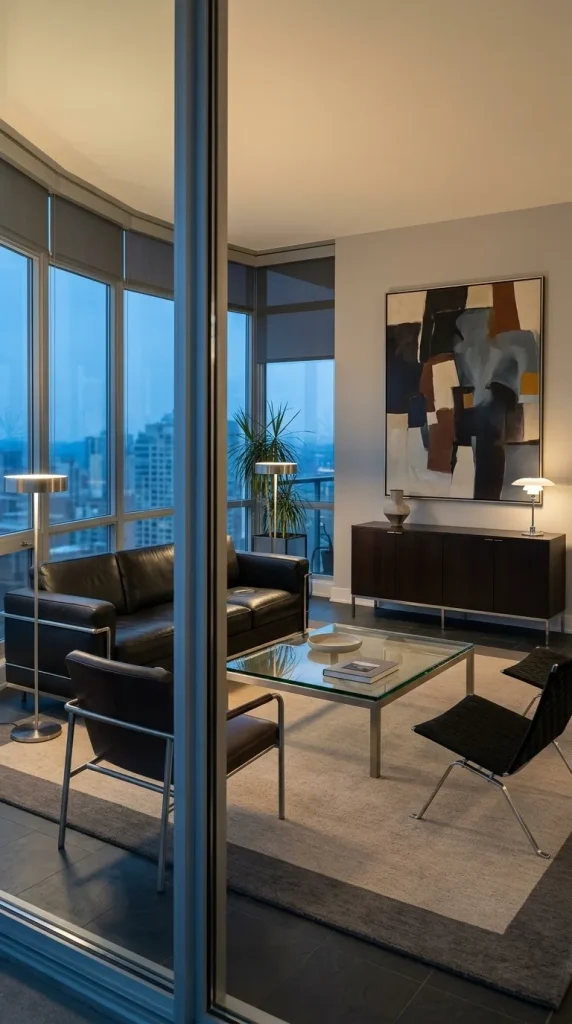
30. Pair leather seating with glass and metal
Leather, glass and metal can create a distinctly different 1990s living room from traditional suburban interiors. A simple black or dark-brown leather sofa, glass coffee table and restrained metal lighting establish a cleaner, more urban aesthetic.
This combination works particularly well in contemporary apartments because glass makes the central furniture arrangement appear lighter. Introduce a substantial rug to soften the harder materials and keep the room comfortable. A single large abstract painting may be more effective than a collection of smaller prints. The result can feel recognisably late-20th-century without depending on retro entertainment equipment or period decorative accessories.
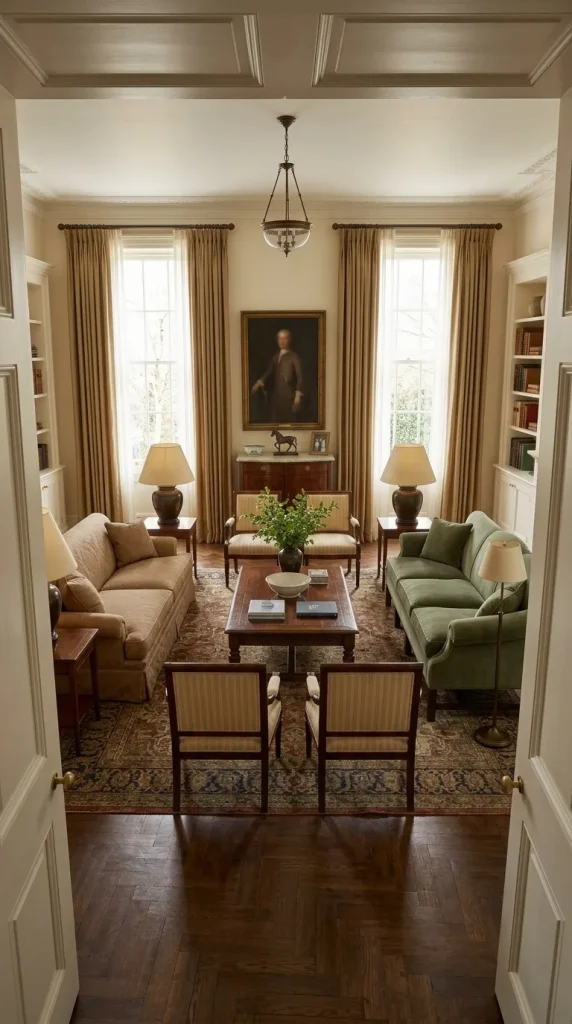
31. Create an elegant living room with antiques and traditional architecture
Luxury interiors during the 1990s were not limited to minimalist glass-and-metal furniture. Traditional rooms with antiques, decorative mouldings, substantial curtains, large paintings and carefully arranged seating remained important.
For this approach, establish a formal conversation area with two substantial sofas or a sofa and pair of armchairs. A traditional patterned rug can connect the furniture, while an antique wooden table or marble-topped cabinet provides visual weight. Artwork should relate to the architecture, particularly around fireplaces and tall walls. Use substantial lamps and appropriately scaled curtains to reinforce the room’s proportions rather than filling the space with smaller luxury accessories.
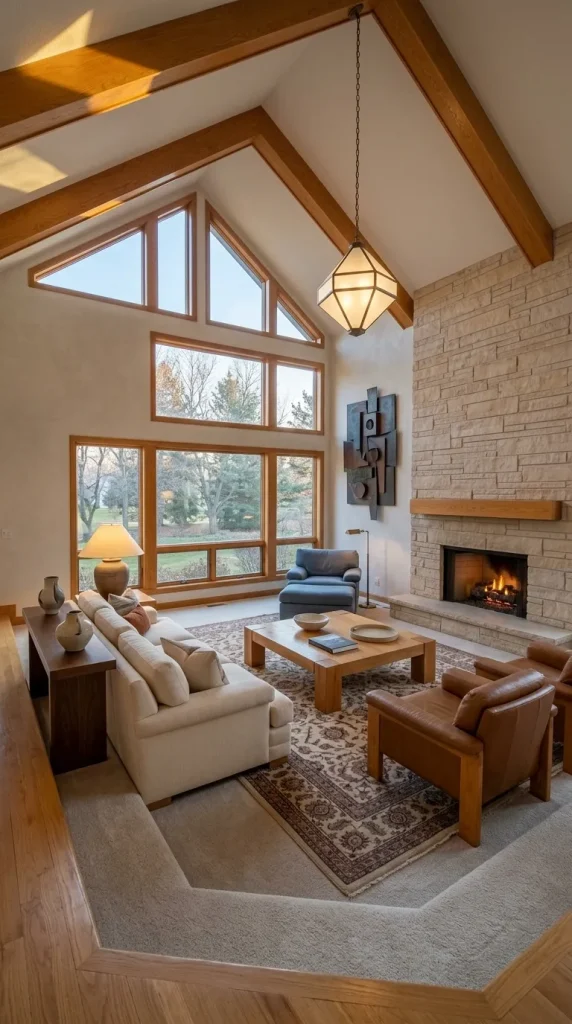
32. Give a vaulted or sunken living room a dramatic retro character
Distinctive architecture can contribute as much to a 1990s-inspired room as the furniture. A vaulted ceiling with exposed timber or large windows creates opportunities for substantial seating, dramatic lighting and a strong fireplace composition. Honey oak, cream upholstery and a large patterned rug can establish a nostalgic suburban interpretation, while leather, glass and sculptural art create a more restrained luxury direction.
A sunken seating area offers another dramatic architectural setting associated with some late-20th-century homes, although sunken living rooms originated well before the 1990s. If your property already has this feature, use a generous rug and substantial seating to define the lower zone. Provide appropriate lighting and keep steps clearly visible so the design remains practical. Do not undertake structural alterations merely to introduce a nostalgic feature without proper professional assessment.
Explore the darker alternative side of the 1990s
Grunge-inspired and whimsigoth interiors provide a very different kind of nostalgia from floral sofas and beige carpets. These directions are useful for readers who associate the decade with darker music, vintage clothing, celestial imagery, theatrical colour and more unconventional personal spaces. Modern aesthetic labels should be distinguished from the actual terms and decorating practices used in the period.
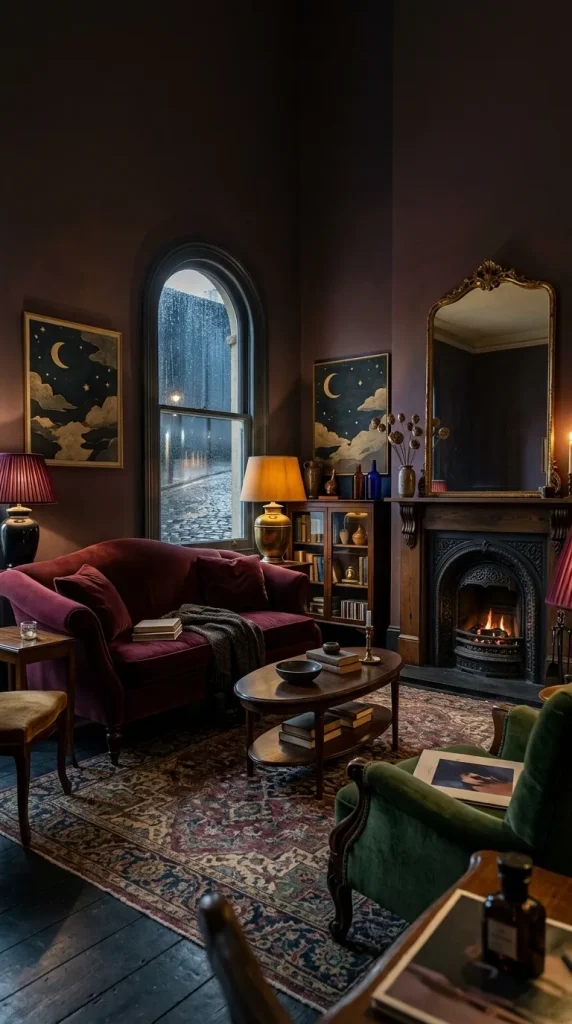
33. Create a dramatic whimsigoth-inspired living room
Whimsigoth is a contemporary label for an aesthetic that draws heavily on the romantic, celestial and Gothic influences associated with parts of 1990s popular culture. It offers a rich visual alternative to suburban neutrals through plum, burgundy, midnight blue, forest green, black and antique gold.
A burgundy velvet sofa can establish the focal point, while dark walls, ornate mirrors and vintage wooden furniture create depth. Introduce a traditional patterned rug and warm table lighting so the room feels intimate rather than simply dark. Celestial artwork and other decorative objects can support the atmosphere, but the strongest version should rely on substantial furniture, material contrast and a coherent palette before smaller themed details are added.
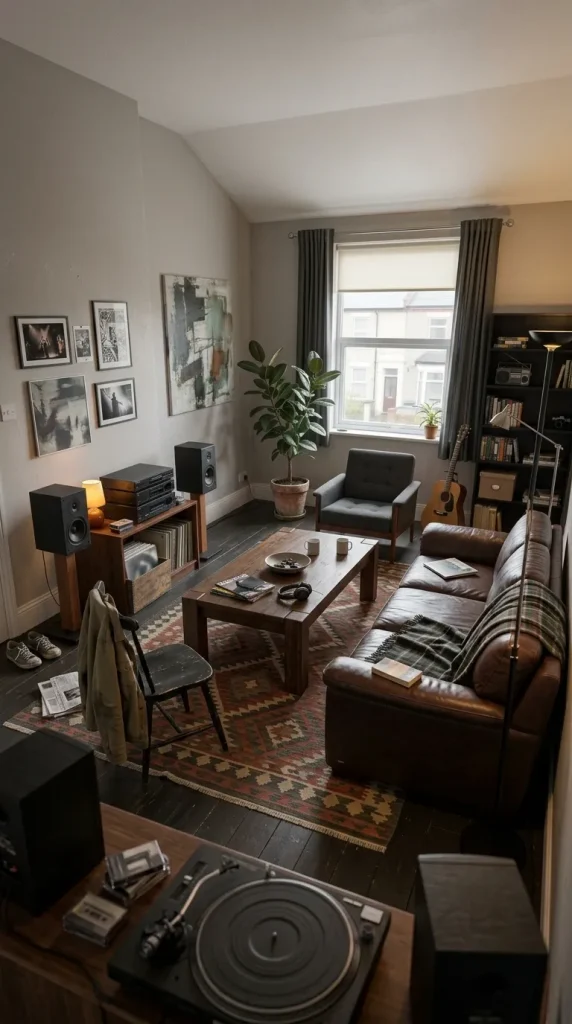
34. Build a relaxed grunge-inspired living room
A grunge-inspired interior should feel more informal and music-driven than the theatrical richness of whimsigoth. Worn leather, plaid textiles, dark timber, band posters, vintage media equipment and second-hand furniture can create the relaxed atmosphere associated with alternative 1990s culture.
Begin with a comfortable leather or dark fabric sofa, then add a substantial rug, second-hand coffee table and a collection of meaningful music-related artwork. The room does not need to look neglected to feel authentic. Practical storage, good lighting and furniture arranged for conversation or music listening can make the aesthetic comfortable for everyday life. Use actual music and personal collections rather than assembling a generic collection of retro props.
Bring the 1990s into a contemporary living room
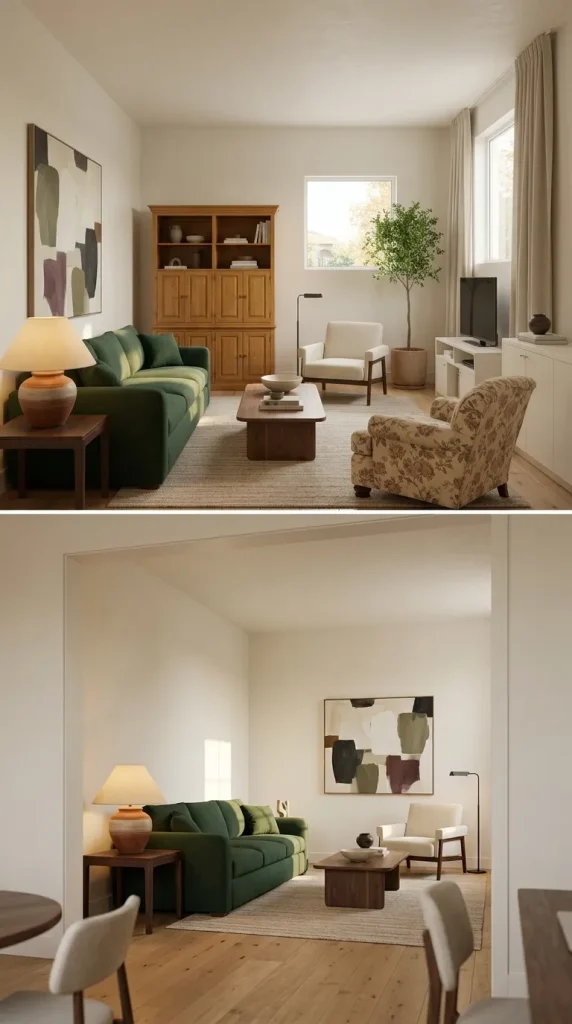
35. Combine a few unmistakable 90s pieces with modern furniture
For readers who enjoy the nostalgia but do not want a complete period recreation, selective inspiration is often the most flexible approach. Begin with one recognisable feature, such as a floral sofa, hunter-green upholstery, honey-oak coffee table or substantial vintage lamp, then build a quieter contemporary room around it.
A deep-green sofa can sit beside a modern timber table and a large abstract painting. An inherited floral armchair might become the most expressive object in a simple cream living room. A substantial honey-oak media cabinet can work beautifully with contemporary lighting and a neutral rug. The strongest result preserves the period’s warmth and individuality while allowing modern furniture proportions, practical storage and less crowded styling to make the room easier to live in.
Which 1990s living room style should you choose?
The decade offered several different decorating directions, so choosing a clear visual identity before buying furniture will help prevent the room from becoming a collection of unrelated retro references.
| 1990s style | Key colours | Defining features |
|---|---|---|
| Suburban family room | Beige, hunter green, burgundy | Floral sofas, oak furniture, carpeting, traditional lamps |
| English country | Sage, cream, dusty rose | Floral upholstery, antique tables, patterned curtains |
| French country | Cream, faded blue, soft green | Painted furniture, floral prints, traditional rugs |
| Eclectic New York apartment | Red, blue, warm neutrals | Vintage furniture, expressive artwork, collected objects |
| 90s minimalist | White, beige, charcoal, black | Simple silhouettes, glass, leather, architectural restraint |
| Traditional luxury | Cream, burgundy, gold, dark wood | Antiques, substantial curtains, large paintings, formal seating |
| Whimsigoth-inspired | Plum, burgundy, forest green, black | Velvet, ornate mirrors, dark timber, celestial details |
| Grunge-inspired | Charcoal, brown, muted red | Worn leather, plaid, music posters, second-hand furniture |
A historically faithful 1990s interior may combine furniture and decorative details purchased during the preceding decade, because ordinary households rarely replaced everything when styles changed. A contemporary recreation can be more selective, retaining only the materials, colours and furniture silhouettes that create the atmosphere you enjoy.
How to make a 1990s living room feel nostalgic without looking dated
The easiest way to introduce nostalgia is to start with substantial pieces rather than small retro accessories. An attractive honey-oak coffee table, deep upholstered sofa or traditional armchair can establish the character of the room before photographs, media collections and other decorative objects are introduced.
If you already own older furniture, assess which pieces deserve to remain. A traditional wooden entertainment unit might work well with a contemporary sofa, while a floral armchair could provide useful pattern in an otherwise neutral room. Replacing every older object simply because it belongs to the 1990s may remove exactly the character you are trying to recreate.
Pay particular attention to lighting and textiles. Warm table lamps, substantial curtains and a generous rug can make contemporary furniture feel more connected to the period. At the same time, removing unnecessary decorative clutter can prevent an authentic nostalgic scheme from becoming difficult to maintain.
Common mistakes when decorating a 90s-inspired living room
One of the most common mistakes is treating the decade as though every home used hunter green, burgundy and floral upholstery. These elements are useful for traditional suburban nostalgia, but they do not represent minimalist apartments, expressive urban interiors or alternative aesthetics. Choose the particular version of the decade you want before establishing the palette and furniture arrangement.
Another mistake is allowing retro accessories to carry the entire design. A VHS collection or old television may create an immediate nostalgic reference, but furniture proportions, colour, materials and lighting determine whether the room feels convincingly connected to the period.
Avoid filling a small contemporary living room with several oversized furniture pieces simply because larger seating was common in suburban homes. One substantial sofa can establish the atmosphere while allowing the remaining furniture to stay appropriately scaled.
Finally, do not confuse a collected interior with uncontrolled clutter. Books, photographs, music collections and souvenirs can give the room personality, but they need appropriate storage and a clear visual hierarchy. Leave enough open space that the objects you genuinely value remain visible.
Frequently Asked Questions
What defines 1990s living room decor?
There was no single 1990s living room style. Familiar suburban interiors often featured oversized sofas, floral or plaid upholstery, hunter green, burgundy, beige carpeting, honey-oak furniture and traditional lighting. Other homes embraced country decorating, bold eclectic colours, minimalist furniture or luxurious traditional interiors.
What colours were popular in 1990s living rooms?
Hunter green, burgundy, beige, cream, tan, chocolate brown, dusty rose, peach and muted blue were familiar choices in many residential interiors. More expressive apartments used stronger colours, while minimalist spaces frequently relied on white, beige, grey and black. The appropriate palette depends on which interpretation of the decade you want to recreate.
How can I make my living room look like the 90s on a budget?
Start with existing furniture and second-hand pieces. A honey-oak coffee table, traditional lamp, patterned armchair or vintage media cabinet can provide a strong period reference without replacing the entire room. Warm lighting, framed family photographs, a substantial rug and a carefully chosen colour palette can reinforce the look affordably.
How do I decorate around a floral 90s sofa?
Allow the floral upholstery to remain the strongest pattern in the room. Choose a neutral wall colour and repeat one or two colours from the fabric through cushions, artwork or a rug. Warm timber furniture and traditional lamps create a faithful nostalgic look, while modern furniture and simpler curtains can make the sofa feel more contemporary.
Can 1990s living room decor look modern?
Yes. A modern interpretation can combine recognisable period elements such as hunter-green upholstery, honey-oak furniture, substantial sofas or vintage lamps with simpler wall treatments, contemporary artwork and practical storage. The goal is to retain the character of the decade without reproducing every historical detail.
Bring back the comfort and character of the 1990s
The strongest 1990s living room decor ideas come from understanding how varied the decade actually was. A comfortable suburban family room with a floral sofa and honey-oak furniture tells a very different story from a minimalist apartment furnished with glass and leather. An English cottage interior filled with botanical fabrics has little in common with an expressive New York apartment or a dark, theatrical alternative living room.
Choose the version of the decade that appeals to you most, then establish it through furniture, colour, materials and lighting before introducing smaller accessories. If you already own vintage pieces, give them a meaningful role rather than replacing them simply because they are older.
A convincing 1990s-inspired living room should feel comfortable, personal and genuinely inhabited. The most memorable rooms from the decade were rarely empty showpieces. They were places filled with furniture people loved, objects collected over time and the familiar atmosphere of everyday life.