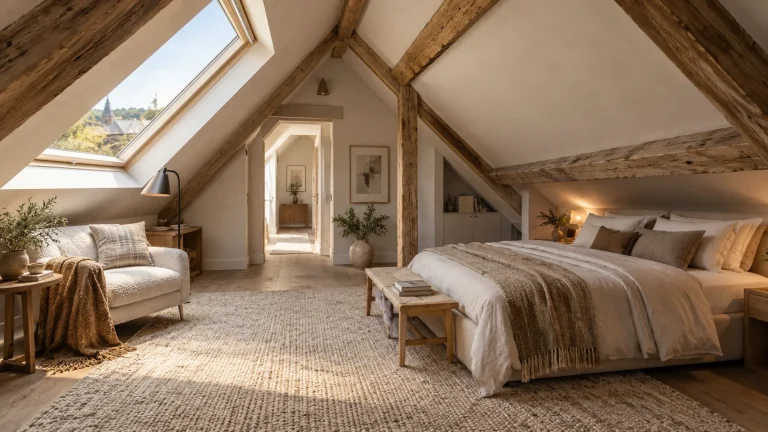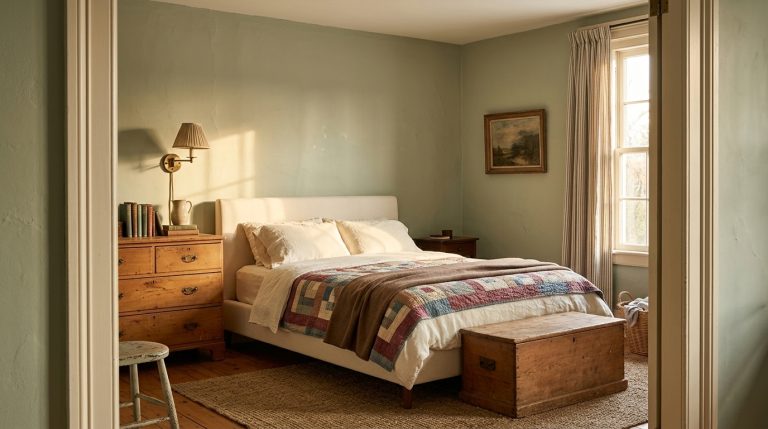
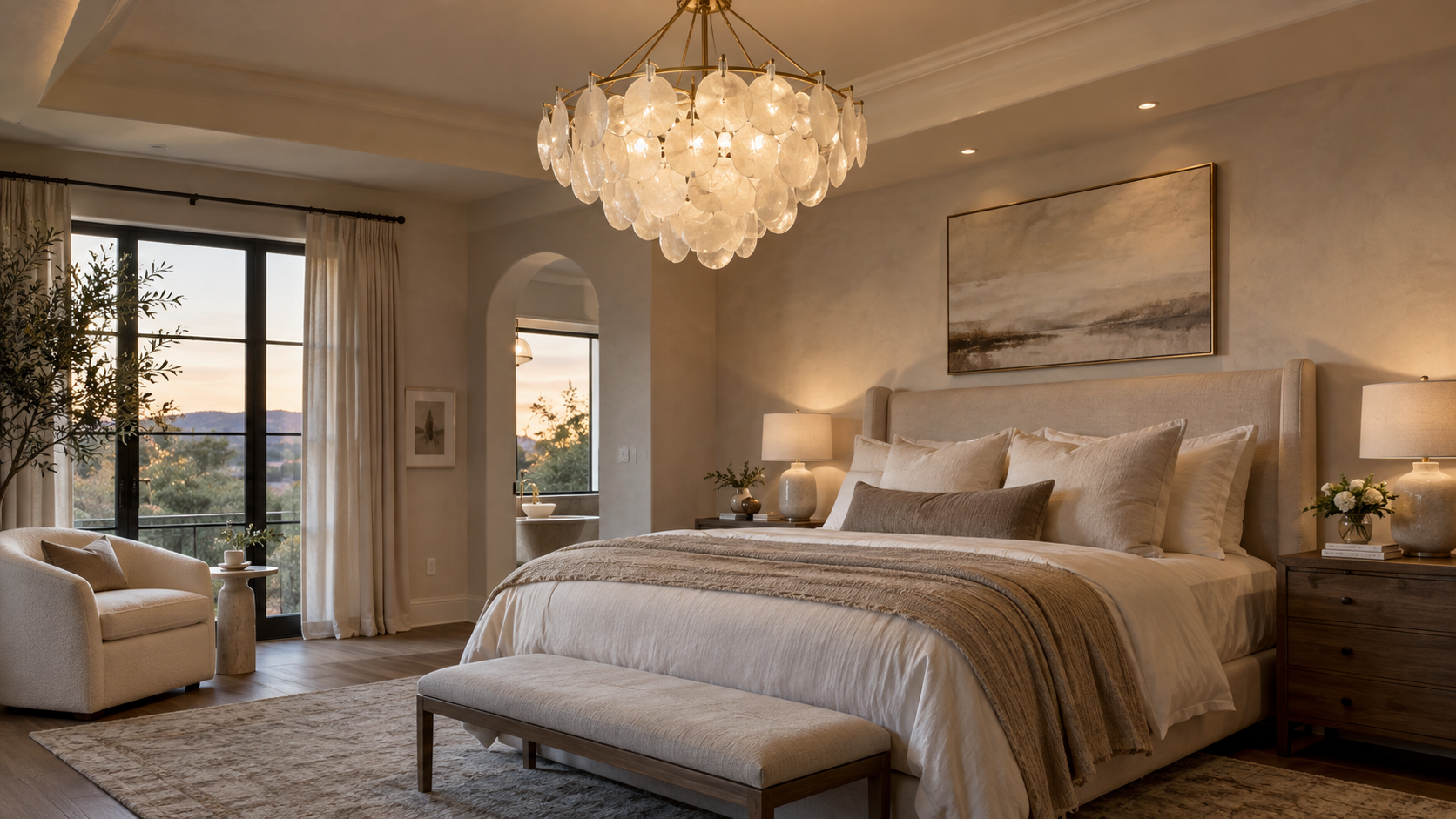
the art of bedroom chandeliers: How to Choose Light That Changes the Whole Room
A bedroom chandelier has an unusual job. It needs enough presence to hold its own above a king bed or tall headboard, yet it cannot make a room intended for rest feel like a formal dining hall. Scale it too small and it disappears. Hang it too low and you notice the fixture for all the wrong reasons.
That tension is what makes the art of bedroom chandeliers so interesting. In 2026, decorative lighting is becoming more sculptural, tactile, and expressive, with designers treating fixtures as objects that shape a room even when they are switched off.
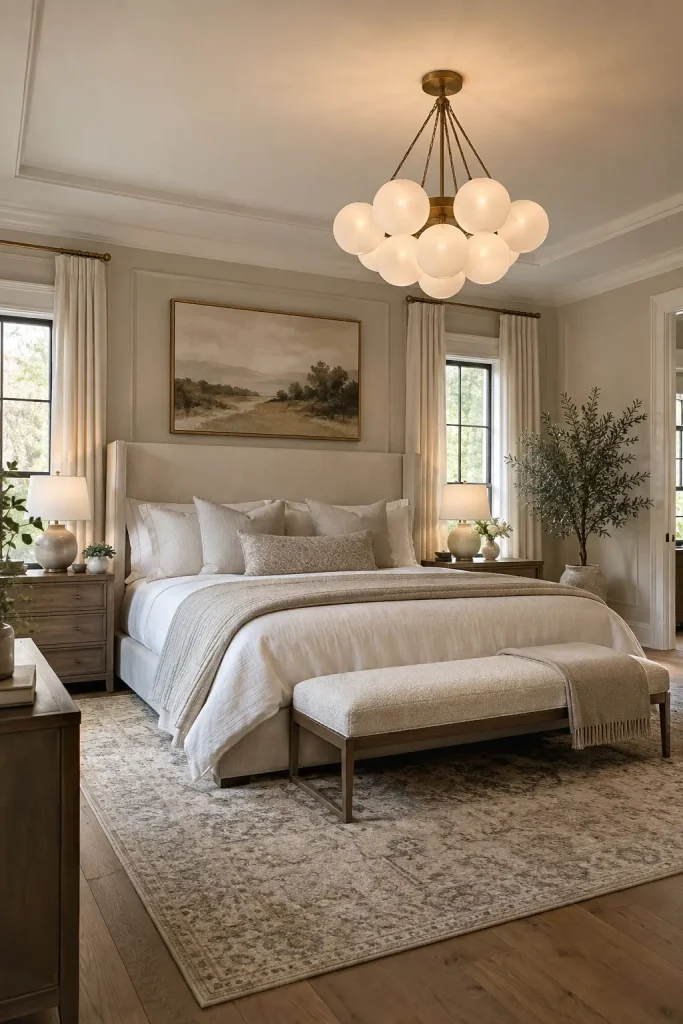
Start With Scale Before Falling in Love With a Design
Chandeliers are one area where slightly generous scale usually looks more convincing than timid scale. A tiny fixture floating over a king bed can make the ceiling seem larger and emptier, while a wider fixture relates better to substantial furniture.
A useful starting formula is to add the room’s length and width in feet and interpret that number as an approximate chandelier diameter in inches. A 12-by-14-foot room, for example, points toward roughly 26 inches. Treat that as a guide rather than a rule, since bed size, ceiling height, headboard scale, and fixture openness all affect how large the chandelier actually feels.
And remember to measure height as well as diameter. With an 8-foot ceiling, a broad semi-flush design usually makes more sense than a long chandelier with multiple tiers.
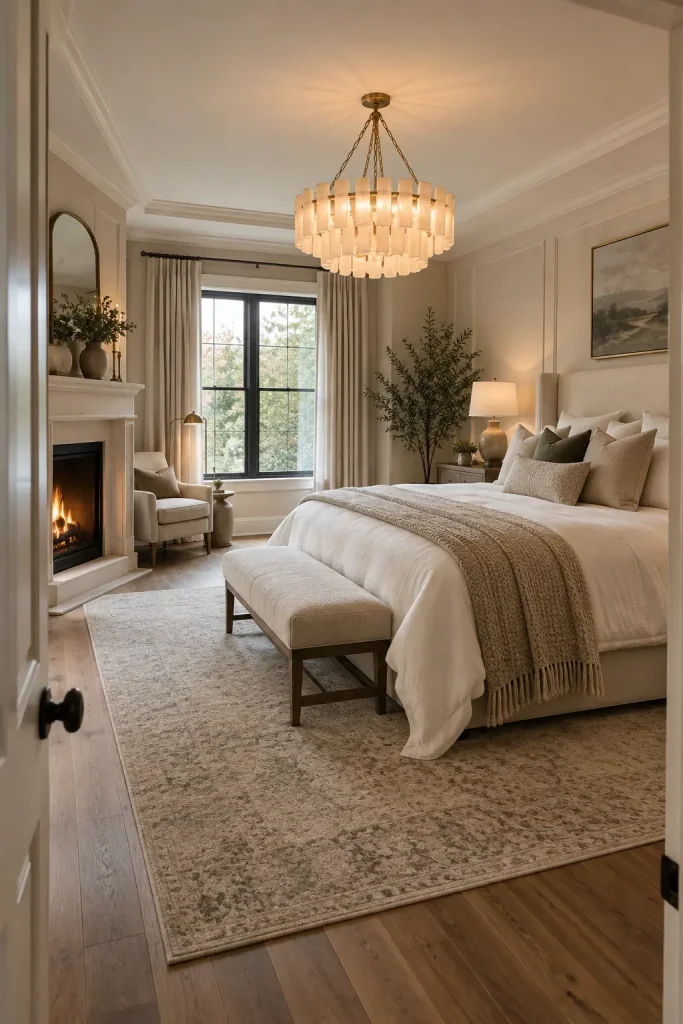
Position the Chandelier for the Bed, Not Blindly for the Ceiling
The mathematical center of the bedroom is not always the best location. A wardrobe, window, fireplace, or asymmetrical floor plan may shift the bed away from the exact room center, so hanging the chandelier in the geometric middle can leave it awkwardly aligned.
Instead, look at the room from its main entrance. In many bedrooms, placing the chandelier in relation to the bed creates the clearest composition, whether centered over the bed or positioned slightly toward its foot. If people regularly walk beneath the fixture, keeping roughly 7 feet between the floor and its lowest point is a sensible starting clearance.

Choose a Chandelier That Looks Good When It Is Off
Bedrooms spend plenty of time in daylight, so your chandelier cannot rely only on illumination to justify itself. Think about silhouette. Current 2026 lighting strongly favors sculptural and organic forms, handcrafted glass, aged metals, natural stone, asymmetry, and fixtures that behave almost like suspended artworks.
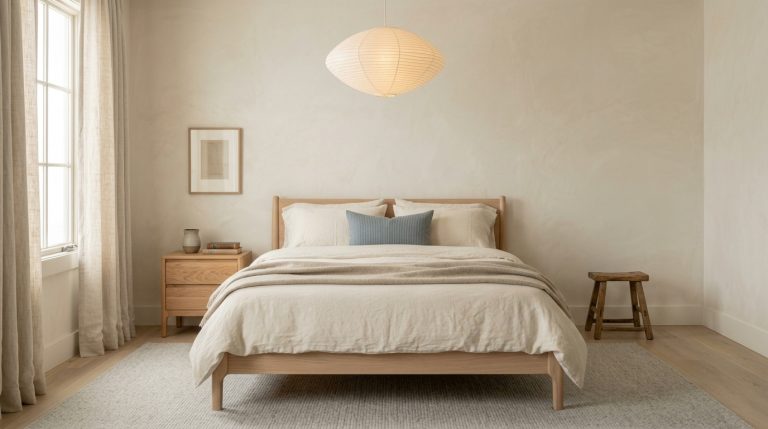
For a contemporary bedroom, consider opal glass, alabaster, plaster, bronze, or a branching chandelier with restrained geometry. For a traditional or romantic bedroom, Murano-style glass, aged brass, pleated shades, or delicate crystal can work beautifully. For an organic or relaxed bedroom, look at parchment, linen, wood veneer, woven fiber, or softly irregular glass.

Use Material to Control How Glamorous the Room Feels
The word chandelier often brings crystal to mind, but bedroom chandeliers can be remarkably quiet. Clear crystal catches and throws light, creating sparkle and movement, and suits bedrooms where you want noticeable glamour. Opal glass gives a softer result because the light source is partially diffused, and parchment and fabric shades are particularly flattering for creating a glow rather than glare.
Aged brass and bronze bring warmth, while alabaster and stone introduce more visual weight but can produce a beautiful diffused glow when designed properly. For more ways to layer warmth and material weight into a bedroom, these master bedroom decor tips cover similar principles beyond lighting alone.

Make the Chandelier Part of Layered Bedroom Lighting
A chandelier should almost never be the bedroom’s only light. This is one of the most important principles in the art of bedroom chandeliers. The ceiling fixture handles ambient illumination and visual structure, while bedside lamps or sconces perform a completely different job.
A strong bedroom lighting plan might include one chandelier for general light, two bedside lamps or sconces for reading, and one lower lamp on a dresser or beside a chair. Around 2700K is a useful starting point for warm bedroom light, and dimming gives you far more control over mood.

Let the Chandelier Contrast With the Bed
Matching the chandelier too literally to the furniture can make a bedroom feel overly coordinated. Instead, consider contrast: a substantial walnut four-poster can look beautiful beneath delicate opal glass, while a simple cream upholstered bed can support a more decorative aged-brass chandelier.
A curved fixture can soften a room dominated by rectangular furniture, and a traditional chandelier can give a contemporary room a sense of history without requiring antique furniture everywhere. This same idea of contrast and atmosphere runs through these moody romantic bedroom ideas, where lighting plays a major role in setting the mood.
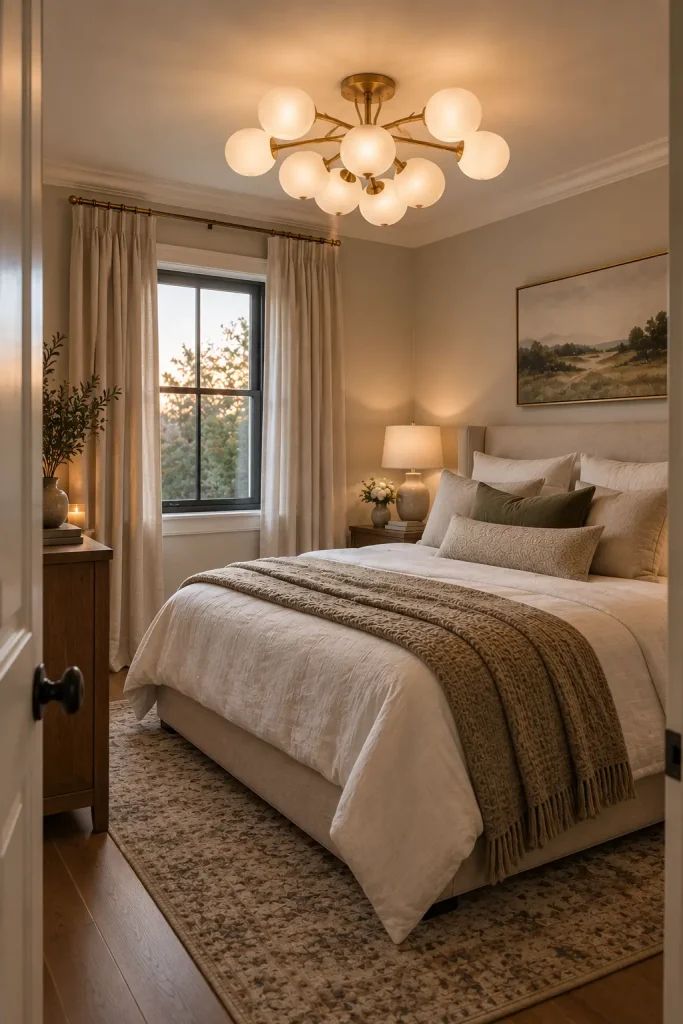
Give Small and Low-Ceiling Bedrooms Their Own Chandelier Strategy
A chandelier is not reserved for enormous primary bedrooms, but compact rooms require different proportions. With an 8-foot ceiling, look for a semi-flush chandelier, shallow branching fixture, or wider design that keeps most of its volume close to the ceiling. You can still create drama through width, material, and silhouette rather than drop.
Avoid very long chains, sharp downward projections, or dense multi-tiered designs where ceiling height is limited, and do not automatically choose the smallest chandelier in the range. A small bedroom with a dramatic 20-inch opal-glass fixture may feel much more intentional than the same room with a generic flush mount.
Match the Chandelier to the Mood You Want After Dark
| Bedroom Mood | Chandelier Direction | Material to Consider |
|---|---|---|
| Soft and romantic | Curved or floral silhouette | Murano-style glass, brass |
| Moody | Low warm glow | Bronze, smoked glass |
| Minimal | Simple sculptural form | Plaster, opal glass |
| Organic | Lightweight irregular shape | Paper, wood, woven fiber |
| Traditional | Refined multi-arm form | Aged brass, crystal |
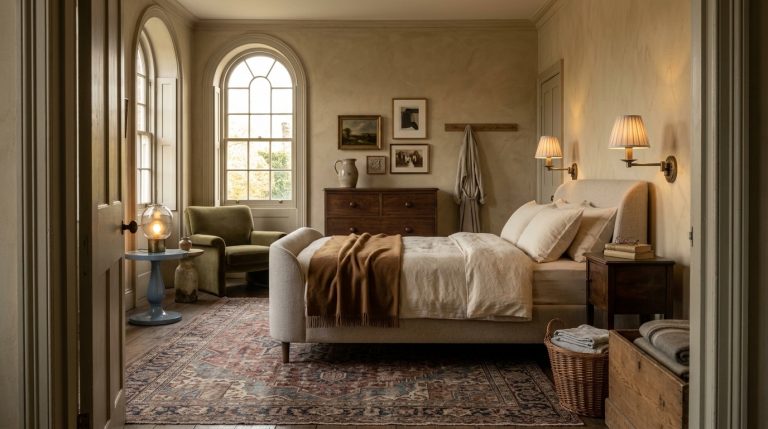
If your bedroom leans traditional and romantic, these victorian bedroom ideas pair especially well with a more ornate chandelier silhouette.
What Should You Skip
- Skip a fixture that is too small; a weak ceiling light can make even expensive furniture feel disconnected.
- Skip choosing appearance without checking the drop, including chain, rod, and canopy height.
- Skip using the chandelier as the only light source; bedrooms need task and lower-level light too.
- Skip bare bulbs shining directly toward the bed; diffused glass or fabric shades create a more comfortable result.
Try This If Your Bedroom Already Has a Boring Ceiling Light
Do not redesign the whole room. Stand in the doorway and assess the ceiling fixture against the bed. If it looks noticeably too small, test a larger diameter with painter’s tape or a cardboard template. Then identify one material already present in the bedroom that could connect to the new light, install a dimmer if possible, and improve the bedside lighting. For a softer, more layered overall palette to build the light plan around, these feminine bedroom design ideas cover complementary color and material choices.
FAQ
Are chandeliers suitable for bedrooms?
Yes. Chandeliers can provide ambient lighting and give the ceiling stronger visual structure, from subtle parchment and opal-glass fixtures to oversized sculptural designs.
How big should a bedroom chandelier be?
A common starting method is adding the room’s length and width in feet and using that number as an approximate diameter in inches. A 12-by-14-foot bedroom suggests roughly 26 inches, but furniture scale should influence the final choice.
Should a bedroom chandelier hang over the bed?
It can. Positioning the chandelier in relation to the bed often creates a stronger composition than blindly centering it in an asymmetrical room.
Final Thoughts
The real beauty of the art of bedroom chandeliers is that one fixture can change both the ceiling and the atmosphere beneath it. Start with proportion, then choose a material that brings something the bedroom currently lacks, whether that is softness, sparkle, warmth, or sculptural shape. The best bedroom chandeliers earn their place twice: they make the ceiling more interesting during the day and make the room feel better after dark.