10 white kitchen cabinet ideas for a Warm, Character-Rich Kitchen
White cabinetry is still one of the most flexible foundations you can choose for a kitchen. The problem is not white itself. It is what happens when white cabinets are paired with equally white counters, cool gray floors, bright chrome, and a plain backsplash until every surface starts blending together.
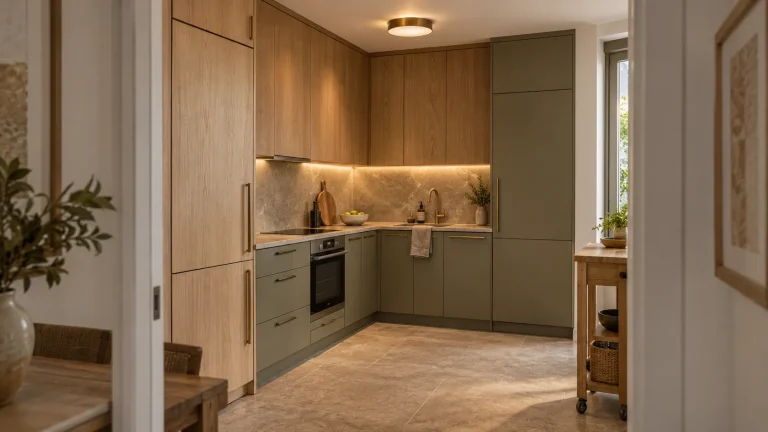
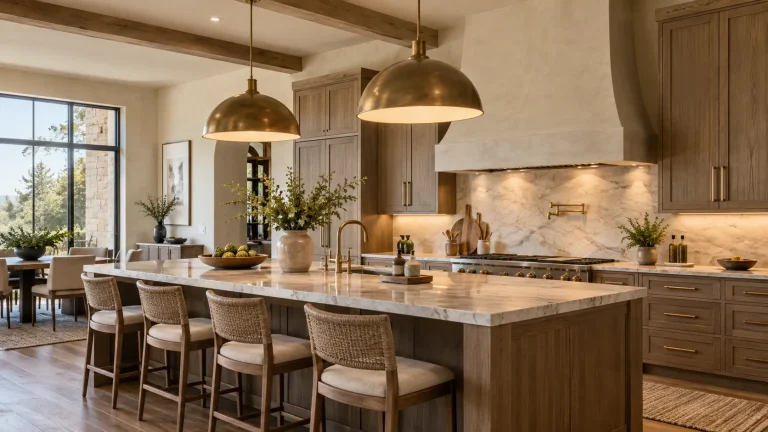
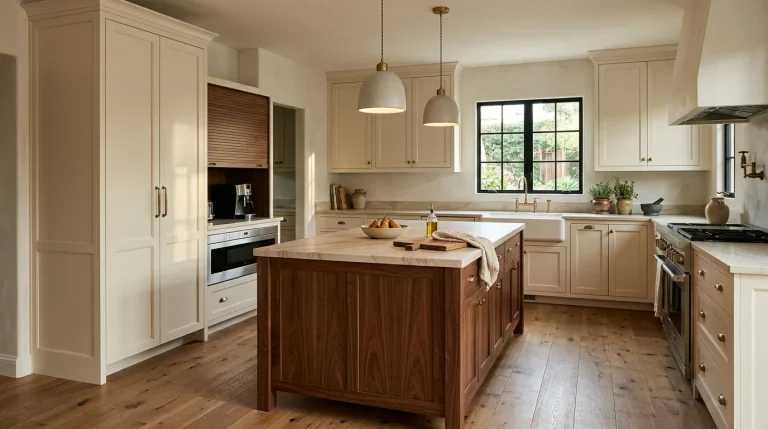
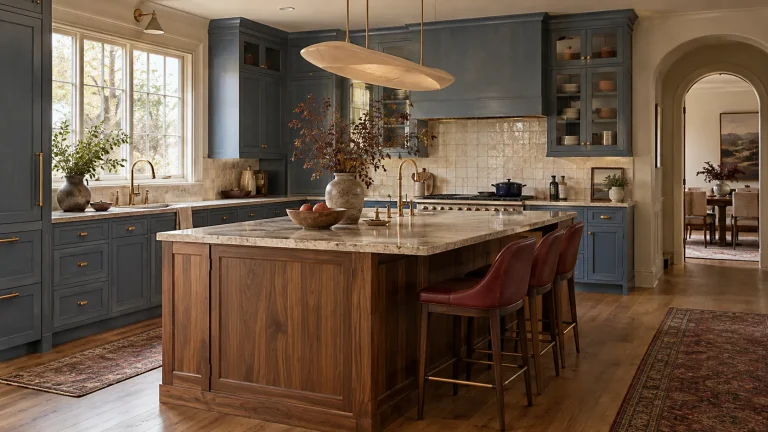
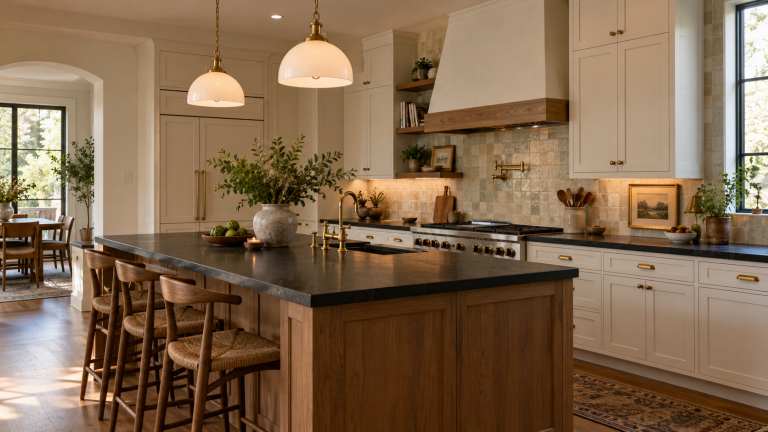
The strongest 10 white kitchen cabinet ideas for 2026 give white more texture, warmth, and contrast. Designers are moving away from sterile all-white kitchens toward creamy whites, natural walnut and oak, darker countertops, aged metals, earth-toned stone, and details that make cabinetry feel more like furniture. This mirrors the broader shift covered in blue kitchen cabinet ideas, where the same push toward nuanced color and warmer materials is reshaping cabinet choices across the board.
White is not disappearing. It is simply being asked to share the room with more character.
Choose the right white before anything else
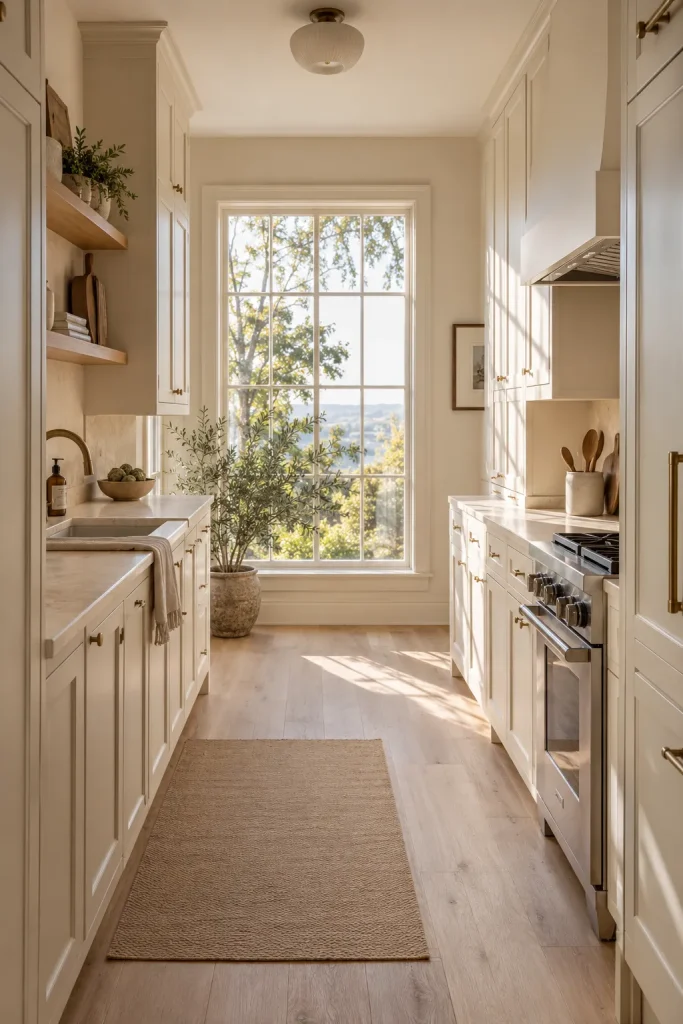
Idea 1: Test your white against natural and artificial light. A white that looks crisp under showroom lighting can turn cold or yellow in your actual kitchen. Sample large swatches and check them morning, midday, and evening.
Idea 2: Lean toward creamy or warm white over stark white. Creamy whites are easier to live with long term and pair more naturally with wood, brass, and stone than bright, cool white.
Idea 3: Match the white’s undertone to your existing fixed finishes. If your flooring or countertop has warm undertones, a cool white cabinet can clash. Matching undertones keeps the whole room feeling coherent.
Bring in wood to soften the white

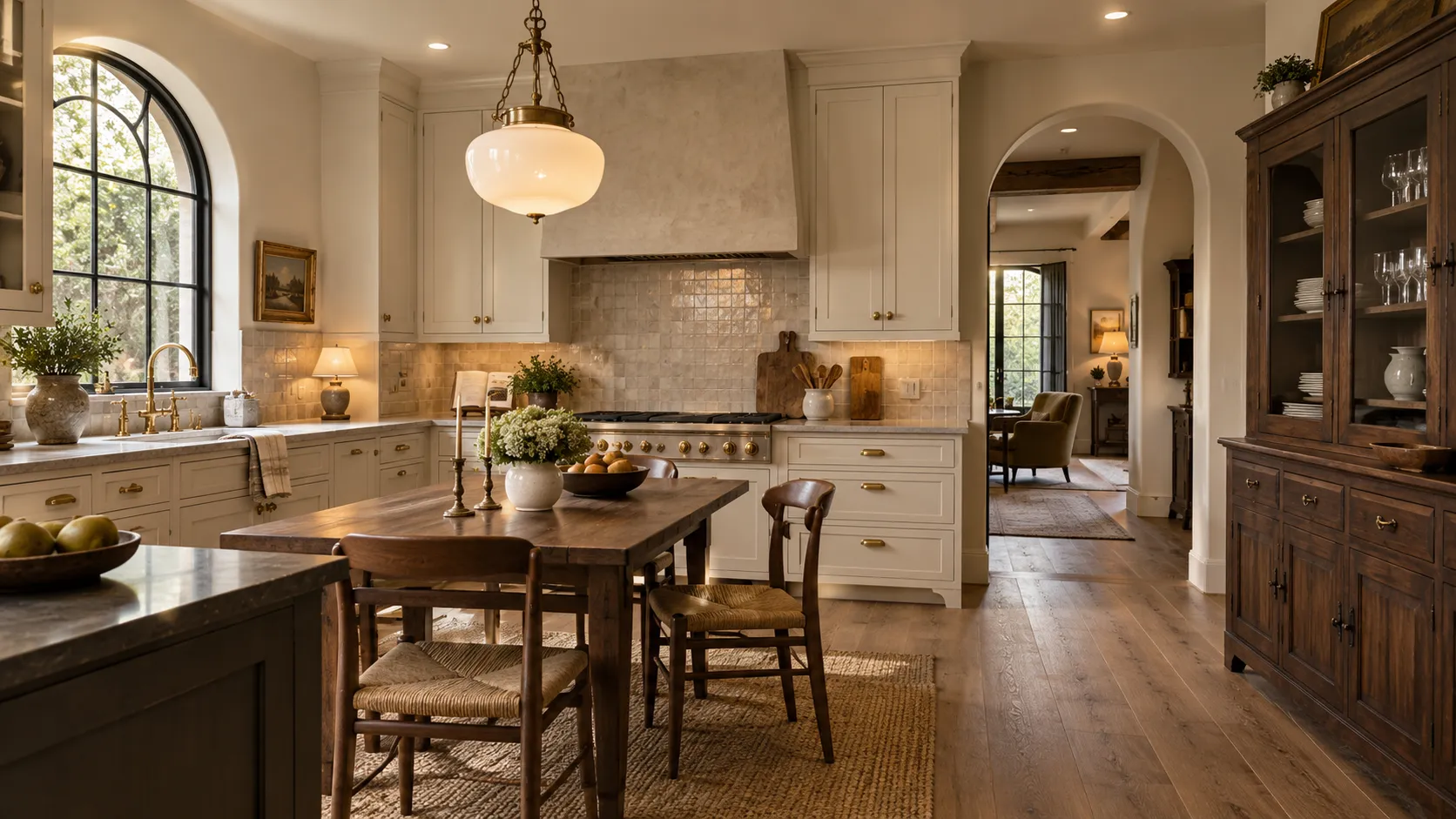
Idea 4: Keep the white cabinets and introduce wood only through smaller architectural areas. You do not need a full timber island. Use wood through open shelving, pantry doors, a breakfast nook, bar stools, a freestanding hutch, ceiling beams, or a dining table. This is particularly useful if you already own good-quality white cabinetry and want the kitchen to feel less stark without refinishing it. A darker wood can be especially effective: walnut and espresso-toned woods are gaining momentum in 2026 as designers embrace richer contrast and more visible grain. One dark wood piece can provide more visual structure than several black accessories.
Use countertops to decide how dramatic the kitchen feels
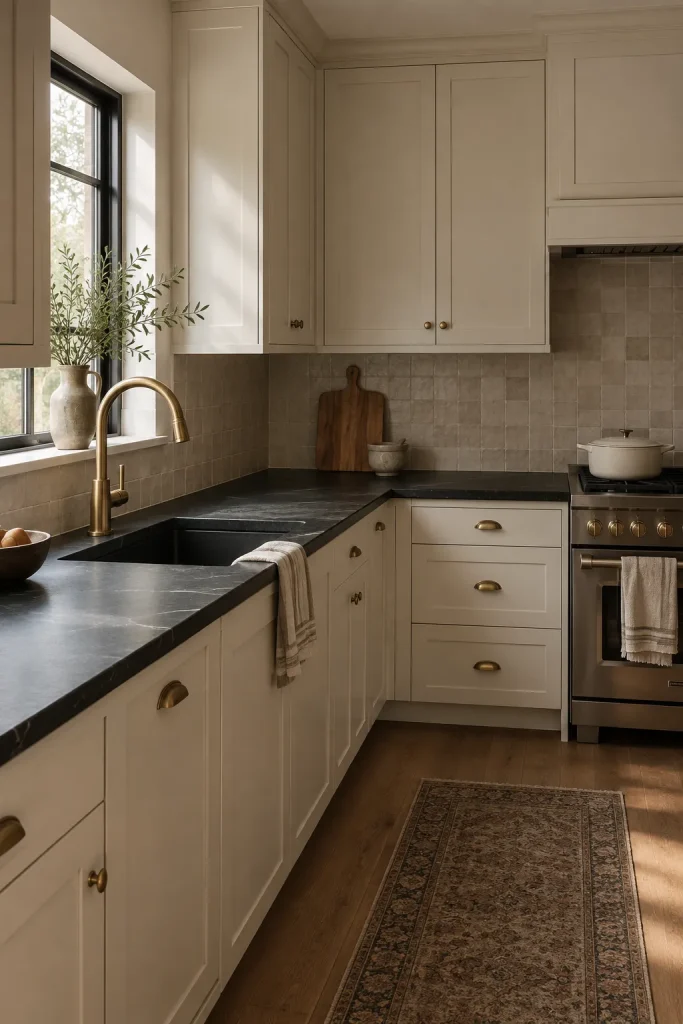
Idea 5: Pair white cabinets with dark countertops. White cabinets do not require white counters. Honed black granite, soapstone, charcoal quartz, deep brown quartzite, or another dark surface can give the cabinetry much clearer definition. This high-contrast approach is explored in depth in kitchen with white cabinets and black countertops, which walks through how to keep that pairing feeling warm rather than stark.

Idea 6: Choose a warm-toned stone if you want a softer look. Not every white kitchen needs high contrast. A honey-toned quartzite or warm travertine can add texture without the sharpness of a dark counter.

Layer in metal and hardware with intention
Idea 7: Use aged brass or bronze hardware instead of chrome. Patinated metals read as warmer and more collected than polished chrome or stainless. Homes & Gardens’ 2026 traditional-kitchen coverage highlights patinated metals and warmer materials as part of the move toward kitchens that feel layered rather than themed.
Idea 8: Mix metals deliberately rather than matching everything. The hardware does not need to match the appliances. A stainless range beside aged brass pulls can look completely intentional. And if your white cabinetry already has a lot of architectural detailing, keep the hardware simpler.
Get the lighting right
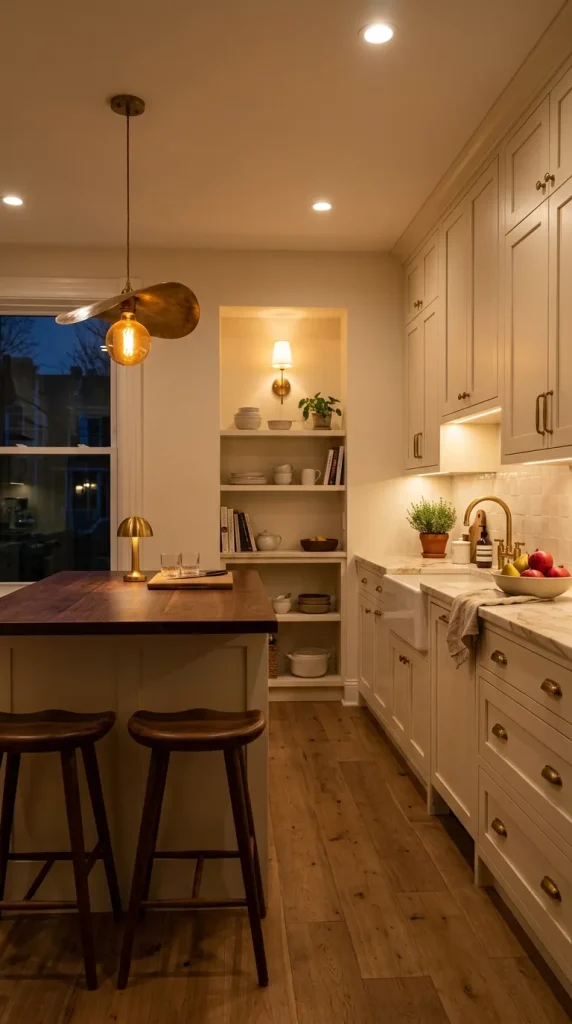
Idea 9: Use warmer, layered lighting to stop white cabinetry feeling clinical. White reflects light extremely well, which is both an advantage and a risk. Under harsh cool lighting, warm-white cabinets can suddenly look gray or yellow, and bright white cabinets can appear almost blue. Use several light sources instead of relying only on strong ceiling lighting: general ceiling lighting, under-cabinet task lighting, pendants or a linear fixture above the island, and one softer sconce or lamp in a breakfast or pantry zone. The same layered approach is covered in more detail in kitchen island lighting tips, since getting the temperature and placement right matters just as much for white cabinetry as it does for darker colors.
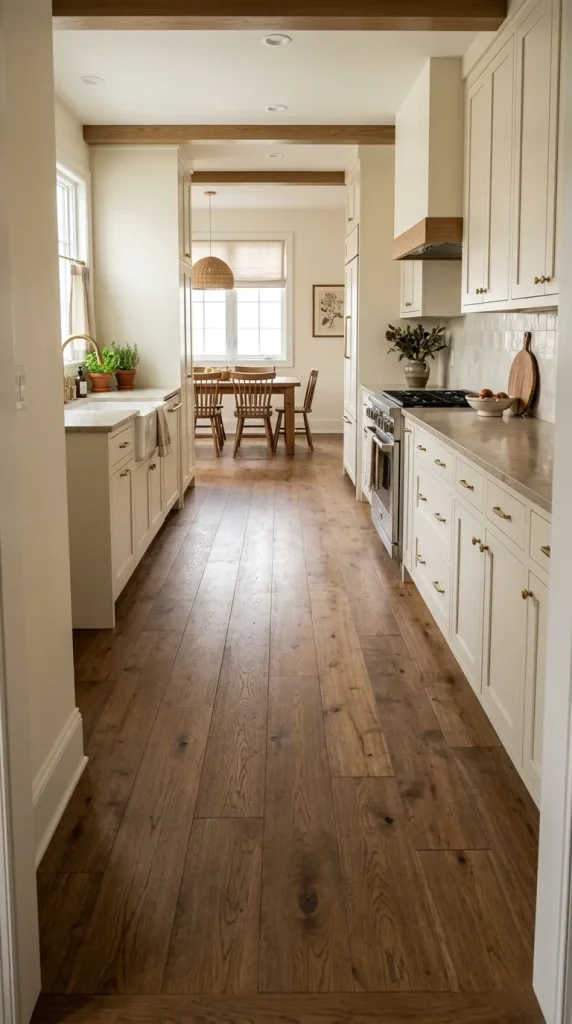
Idea 10: Ground the room with flooring that adds warmth underfoot. A cool, pale floor can make an all-white kitchen feel flat and clinical. Warm wood tones, or a floor chosen using the same principles covered in kitchen flooring ideas, can anchor the room and keep the white cabinetry from floating without enough grounding beneath it.
Try this if your existing white kitchen feels sterile
White is flexible enough to adapt through counters, hardware, paint, wood, tile, and lighting. Do not repaint the cabinets first. Start by identifying which large surface feels coldest.
If the floor is cool gray, bring in walnut or oak through furniture and accessories you actually use. If the counters and backsplash are both white, introduce contrast through one of them when renovation becomes practical. Change cold lighting to a warmer, appropriate kitchen temperature. Replace several black accessories with aged brass, ceramic, timber, or color. Then add one substantial element such as a wood table, olive island, vintage runner, or stronger artwork.
Only after those changes should you decide whether the cabinet color itself needs attention. Very often, white is not the problem. The room simply lacks enough material variation around it.