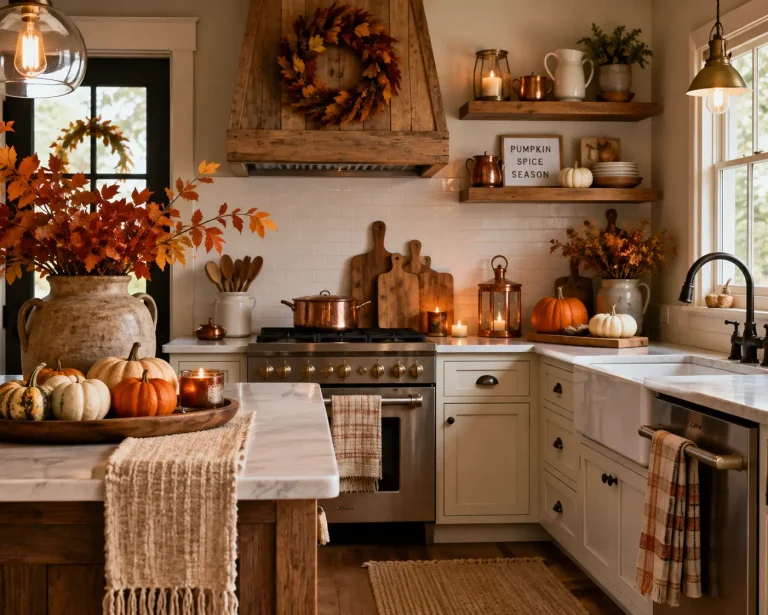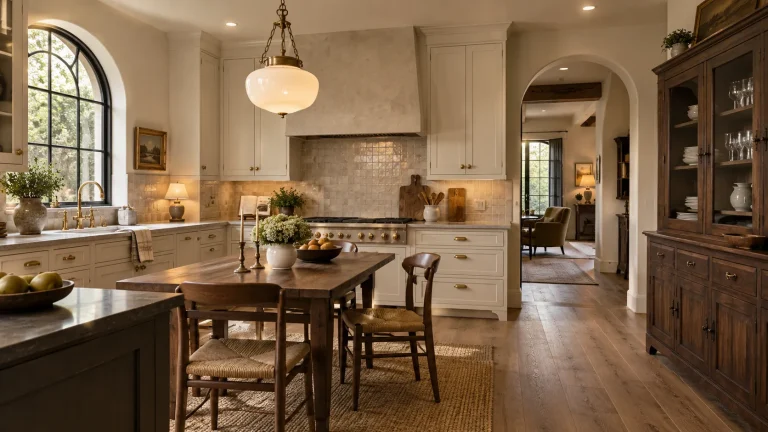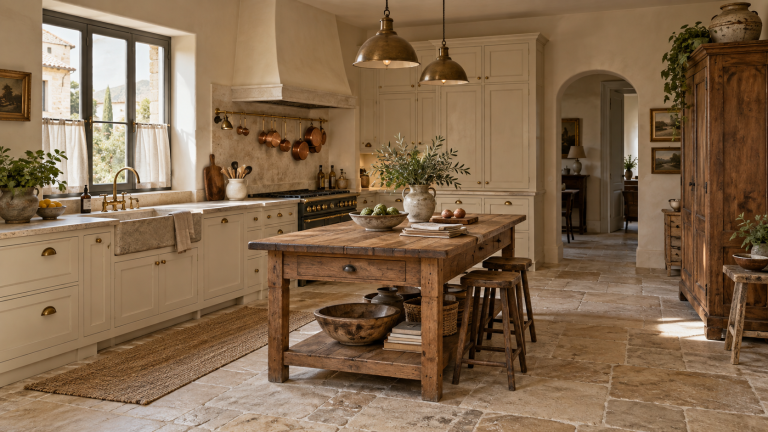
13 kitchen island lighting tips for Better Scale, Function, and Atmosphere
Let the Island Determine the Lighting Plan
Kitchen island lighting has to do more than look attractive in a photograph. It may need to illuminate chopping at 7 a.m., keep faces comfortable during breakfast, avoid blocking conversation across the island, and then become soft enough for dinner once the cooking is finished. The best kitchen island lighting tips begin with proportion and light quality rather than choosing whichever pendant happens to be trending. In 2026, kitchen lighting is becoming more layered and less formulaic, with designers moving beyond repetitive rows of small clear-glass pendants toward larger sculptural fixtures, linear chandeliers, narrow-beam downlights, ceramics, fabric, aged metals, and natural woven materials. The island should determine the lighting plan, not the other way around.
Tip 1: Measure the Island Before Choosing Fixtures
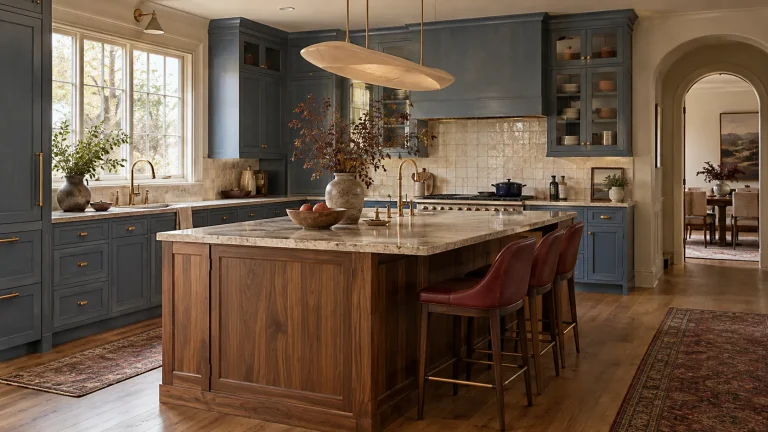
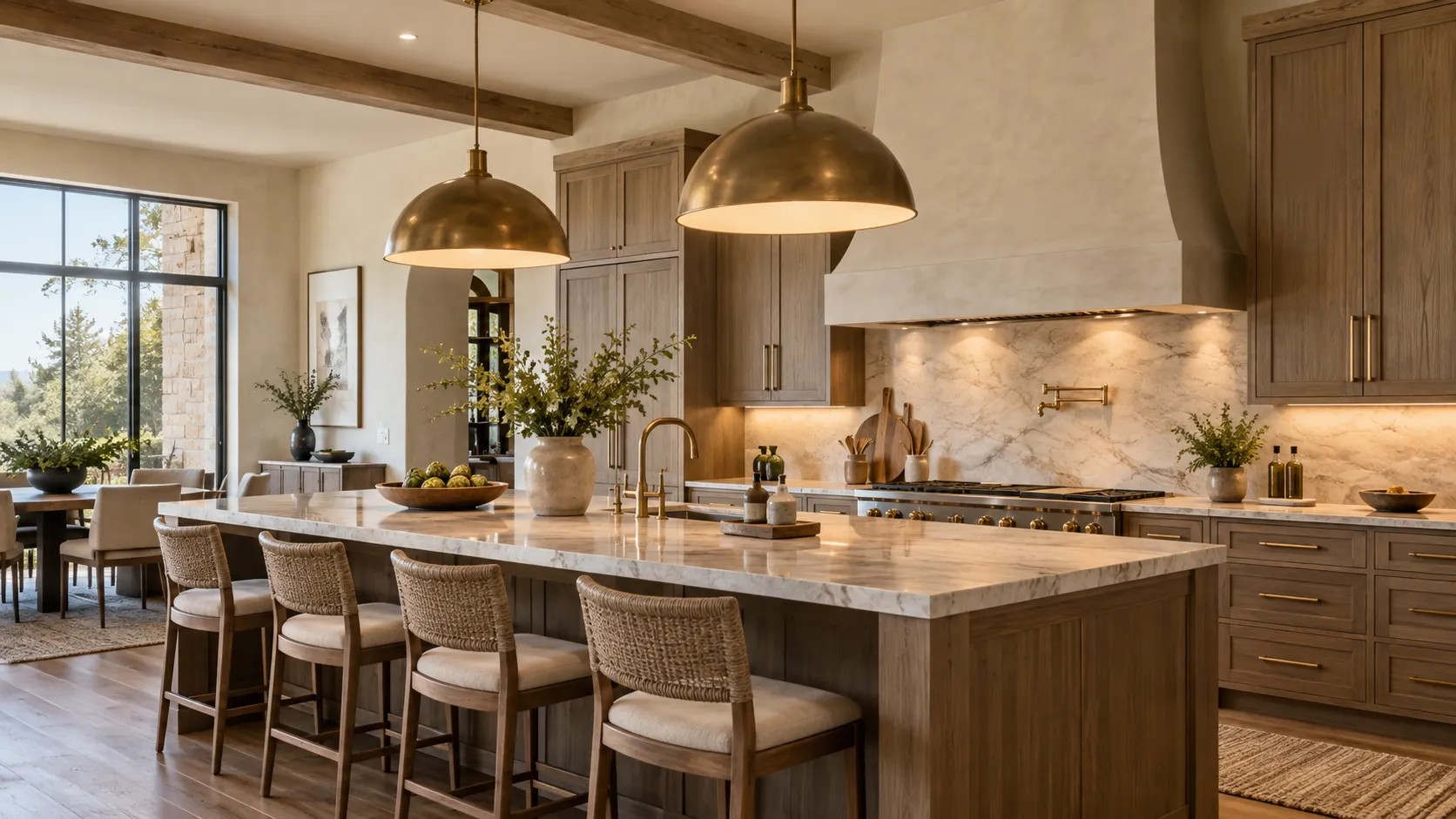
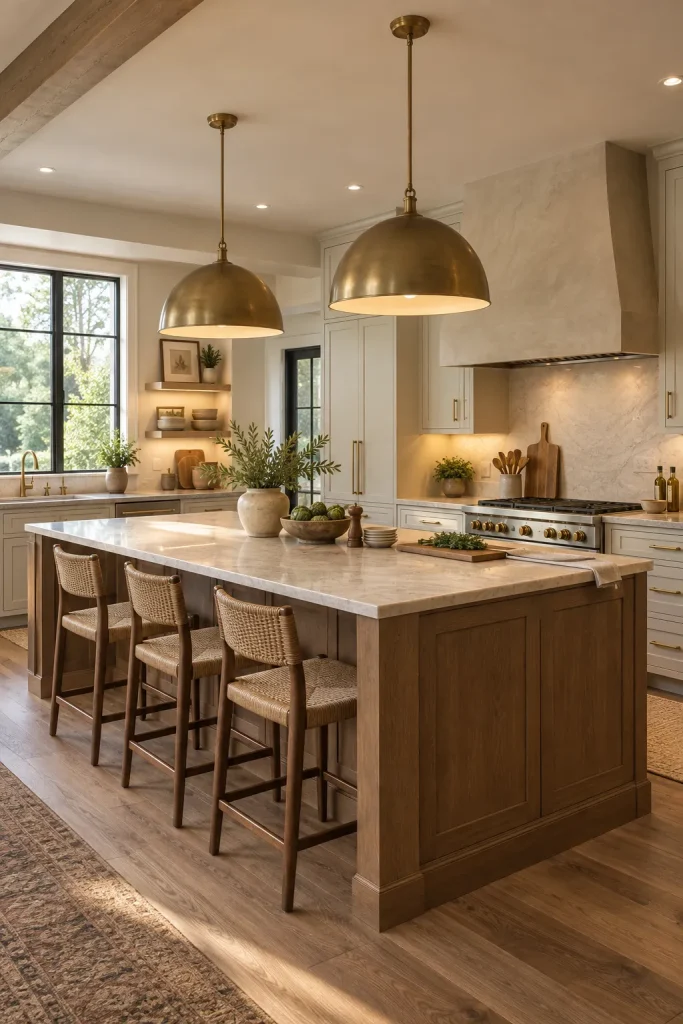
Small single pendants often feel poorly proportioned against a long island, while modern linear fixtures are emerging as an alternative to the conventional pendant row. Choose the number of fixtures after you know the scale you’re working with — two large ceramic pendants may have more presence than three small glass ones. This same attention to scale matters in our mid century modern kitchen remodel tips, where fixture proportion is just as important as material choice.
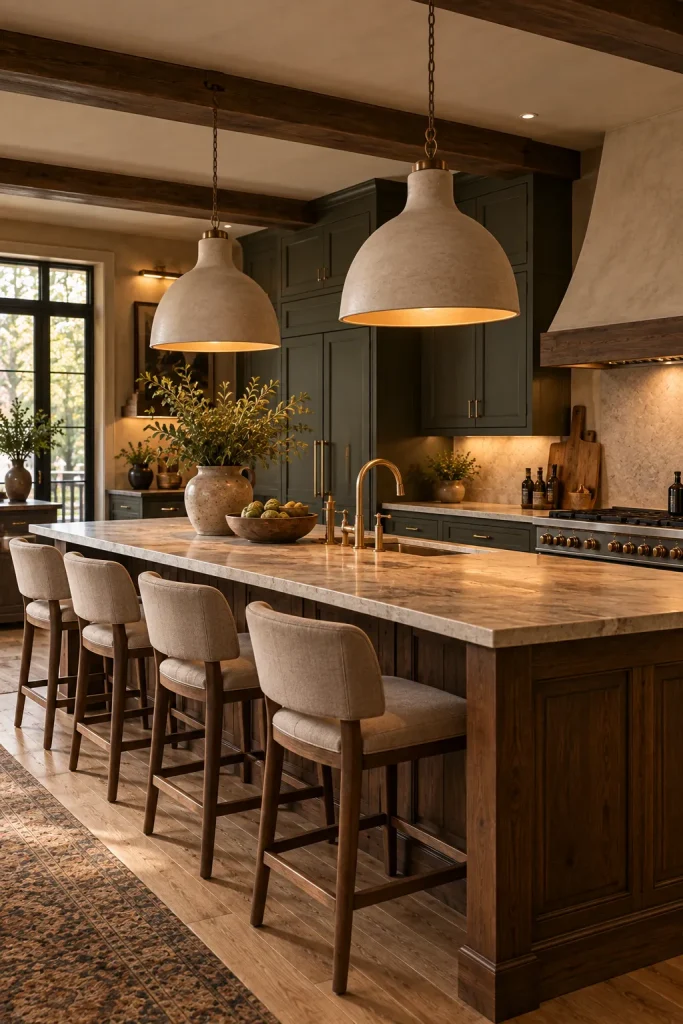
Tip 2: Use 30 to 36 Inches Above the Countertop as a Starting Height
A commonly used starting range is roughly 30 to 36 inches from the island surface to the bottom of the pendant. That tends to keep the light close enough to the work surface without dropping the fixture directly into normal sightlines. But do not treat 33 inches as a magic number — a tall household may prefer slightly more clearance, a fixture with an opaque shade may need to sit differently from an open glass design, and higher ceilings can sometimes support a slightly higher hang without losing function.

Tip 3: Space Multiple Pendants Evenly and Intentionally
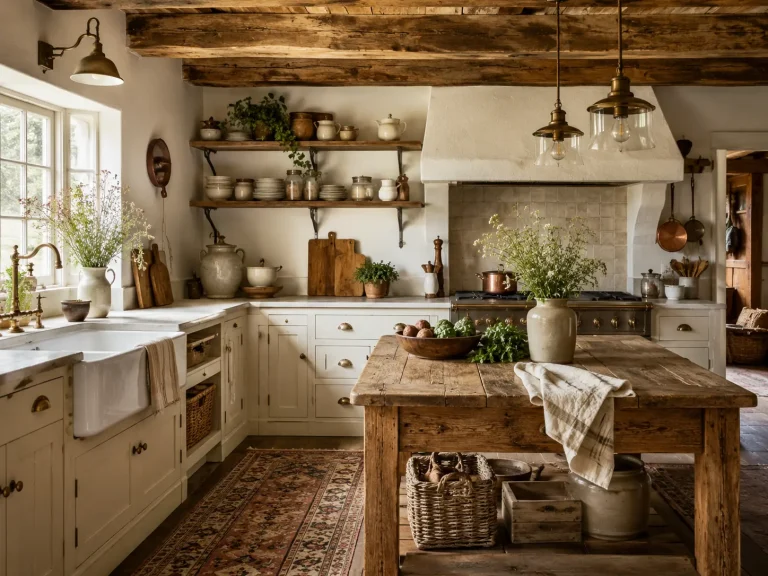
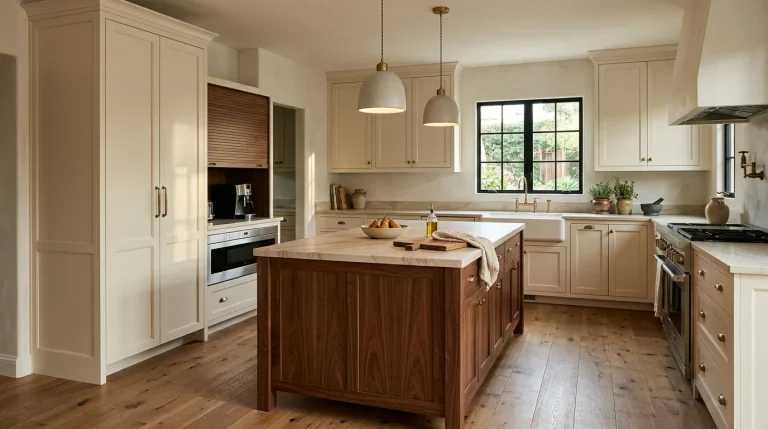
When using two or three pendants over an island, even spacing matters more than most people expect. A common approach centers the fixtures over the island’s length while leaving enough room at each end so the lighting doesn’t feel crowded toward the middle or lopsided toward one side. Uneven spacing is one of the most common island lighting mistakes, and it’s easy to catch before installation with a simple tape-measure mockup.

Tip 4: Layer Task Light With Ambient Light
Pendants alone rarely light an entire kitchen well. Pair island fixtures with ceiling-level ambient lighting and under-cabinet task lighting elsewhere in the room, so the island doesn’t have to do all the work. This layered approach is part of what keeps a dark, moody kitchen — like the ones in our 10 moody farmhouse kitchen tips — feeling warm rather than dim.
Tip 5: Plan for Dimming and Changing Moods
A kitchen island needs bright, even light for food prep and softer, warmer light for evening gatherings. Dimmable fixtures, or a dimmer switch added during installation, let the same pendants serve both purposes instead of forcing a compromise. This flexibility becomes especially valuable in a kitchen with a strong material contrast, like the pairing explored in our kitchen with white cabinets and black countertops guide.
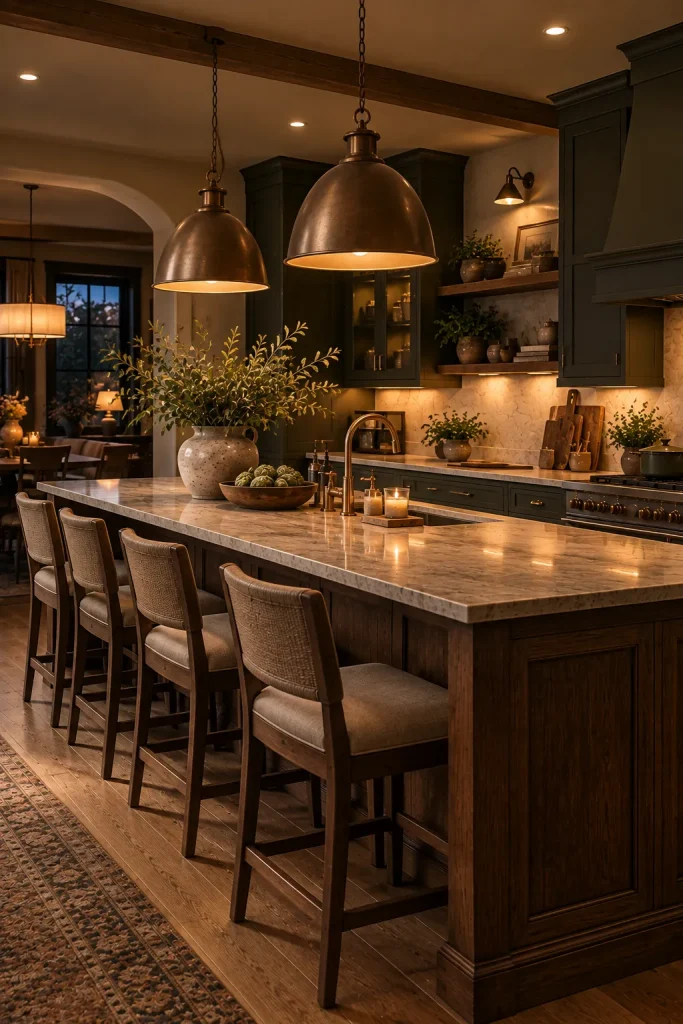
Tip 6: Choose Materials That Complement the Floor and Cabinetry
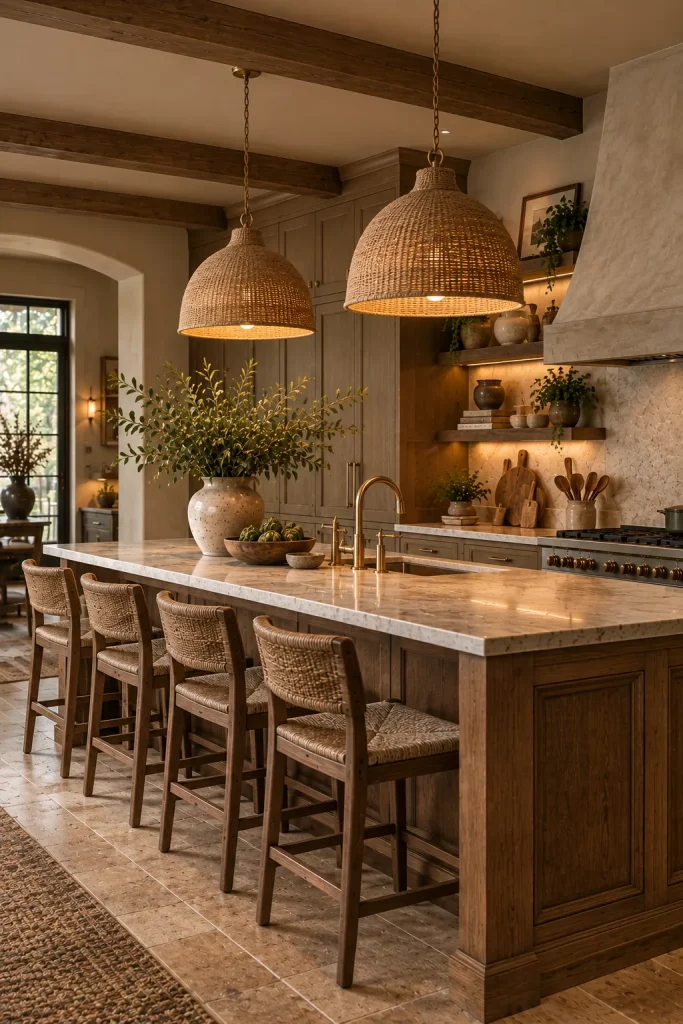
Aged brass, ceramic, woven fiber, and opal glass all read differently depending on what’s beneath them. A textured stone or wood floor, like the ones in our 12 kitchen flooring ideas guide, pairs particularly well with handmade-looking fixtures rather than polished chrome.
What Should You Skip
- Hanging pendants too low or too high without testing the height against your own ceiling and countertop
- Uneven spacing between multiple pendants — measure before installing
- Relying on island lighting as the kitchen’s only light source
- Choosing fixtures for trend value alone without checking scale against the island length
FAQ
Q: How high should pendant lights hang above a kitchen island?
A: Roughly 30 to 36 inches above the countertop is a common starting point, adjusted for ceiling height and household preference.
Q: How many pendant lights does a kitchen island need?
A: It depends on the island’s length and the fixture’s scale — two larger pendants can look better than three small ones on a long island.
Q: Should island lighting be dimmable?
A: Yes, when possible — dimming lets the same fixtures handle bright task lighting and softer evening atmosphere.
Final Thoughts
The best kitchen island lighting starts with measuring, not shopping. Get the scale, height, and spacing right first, then choose a material and style that complements the rest of the kitchen — and always plan for both bright task light and a softer evening mood.